 Brawl Stars
INTRODUCTION - WHY IS CNBS A SEPARATE CHAPTER IN THE BRAWL STARS HISTORY?
When Brawl Stars launched globally in December 2018, few players could have predicted that less than two years later, an entirely separate version of the game would emerge - one with its own publisher, its own rules, and its own identity.
On June 9, 2020, Brawl Stars arrived in China under Tencent, one of the world's largest gaming companies. The response was immediate: within a single week, the Chinese version generated $17 million in revenue. But this wasn't simply a translation. Chinese regulations, cultural standards, and market expectations shaped a version of Brawl Stars that looked, felt, and operated differently from what the rest of the world was playing.
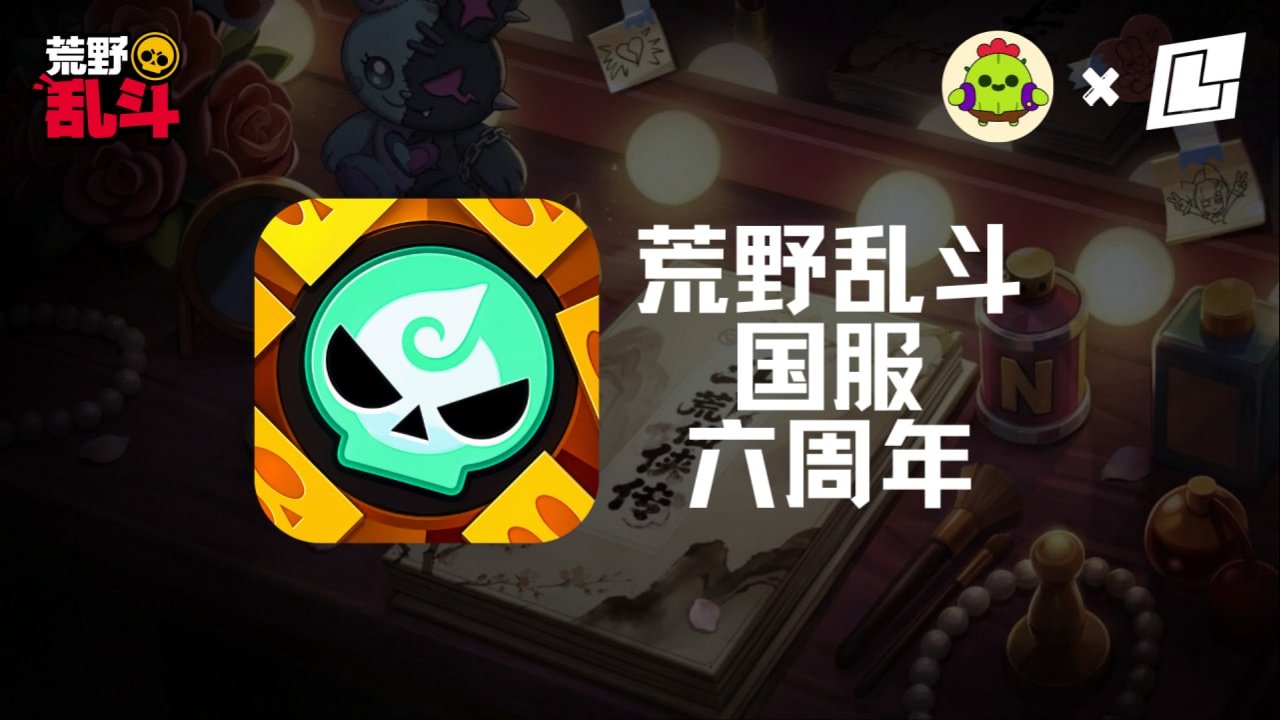
Six years later, Chinese Brawl Stars - known in the community as CNBS - remains a fascinating and often overlooked chapter in the game's history. From censored visuals and exclusive content to its own esports ecosystem, CNBS has carved out a space that global players rarely see.
This article tells that story in full.
6-YEAR TIMELINE: THE STAGES OF CNBS'S LIFE
The story of Chinese Brawl Stars didn't begin on launch day. It began years earlier, with a quiet licensing deal that few players noticed at the time.
2019 - The Deal Before the Game
On March 22, 2019, Chinese publisher Youzu secured Android distribution rights for Brawl Stars in mainland China, taking charge of all Android app stores. The game hadn't launched in China yet - but the groundwork was already being laid.
2020 - Launch and Early Days
On April 17, 2020, Supercell and Tencent jointly announced that the Chinese server would officially launch on June 9, co-operated by both Tencent and Youzu. When that day arrived, the Chinese server went live as an open beta. Tencent ran the official server with WeChat and QQ login integration, while Youzu handled Android channel servers separately. The reception was immediate and massive - within a single week, the game generated $17 million in revenue.
2021–2022 - The Operator Transition
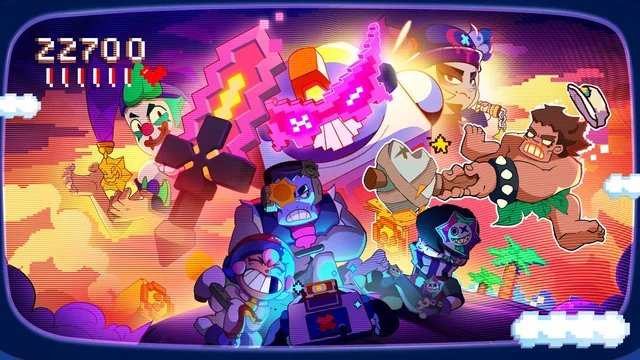
From late 2021 into early 2022, a significant behind-the-scenes shift took place: Supercell gradually transferred full operation rights to Tencent. Youzu stepped down from daily operations, handling only residual channel work for a short period. In January 2022, an official in-game notice confirmed Tencent as the sole operator of the Chinese server. Players with Youzu accounts were given the ability to bind their profiles to WeChat or QQ and transfer their game data. After February 2022, Youzu's client stopped receiving updates entirely and closed new user registrations. All operations, version updates, and in-game events were now fully under Tencent.
2022–2023 - Stagnation and Content Lulls
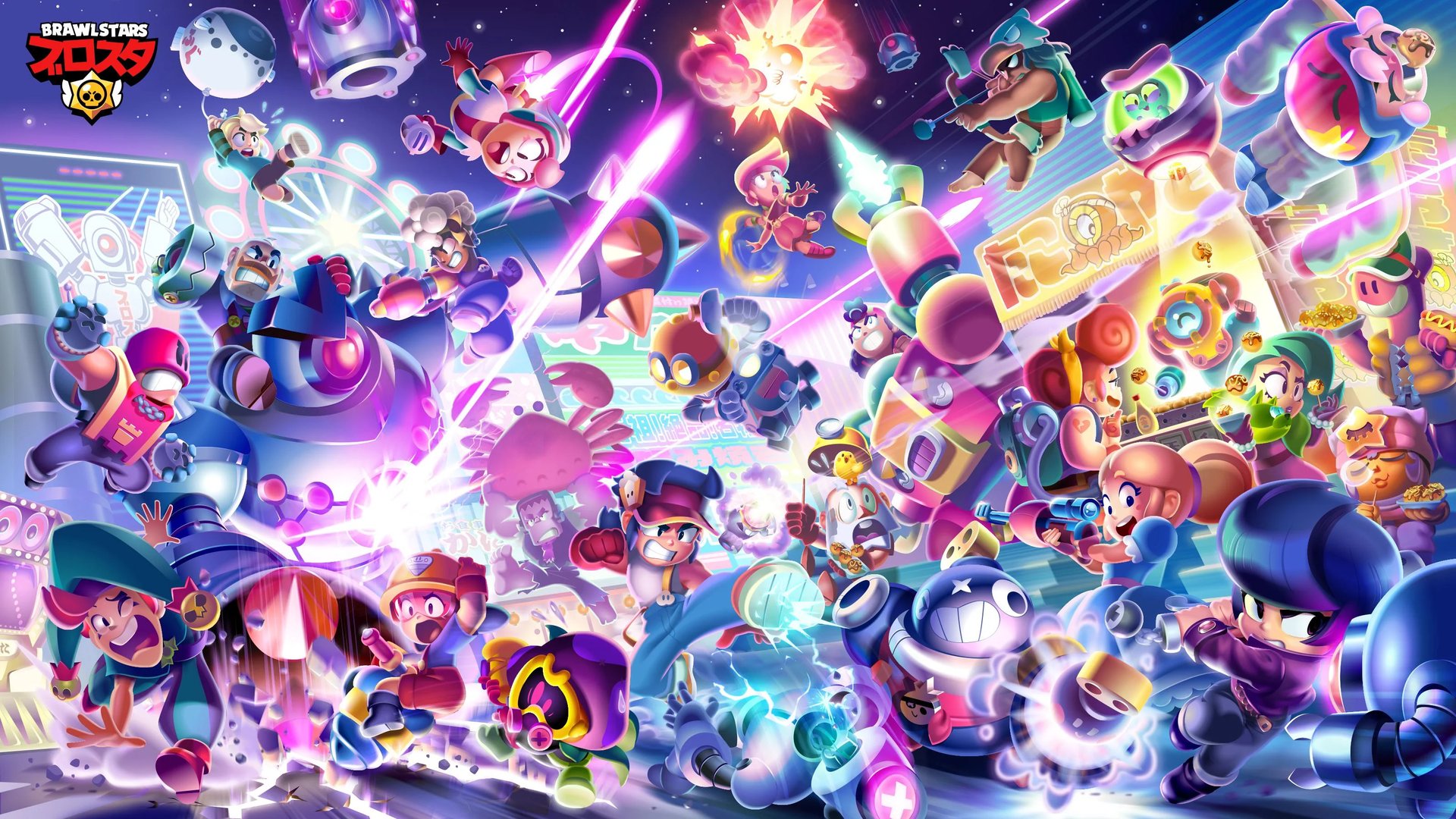
This period was marked by internal turbulence. When CNBS went through major team reshuffles and staff changes, content dried up noticeably. The most extreme example was Season 9, which lasted over 130 days with almost no new content - a period many players describe as the low point of the server's history.
Late 2023 - A Creative Turning Point
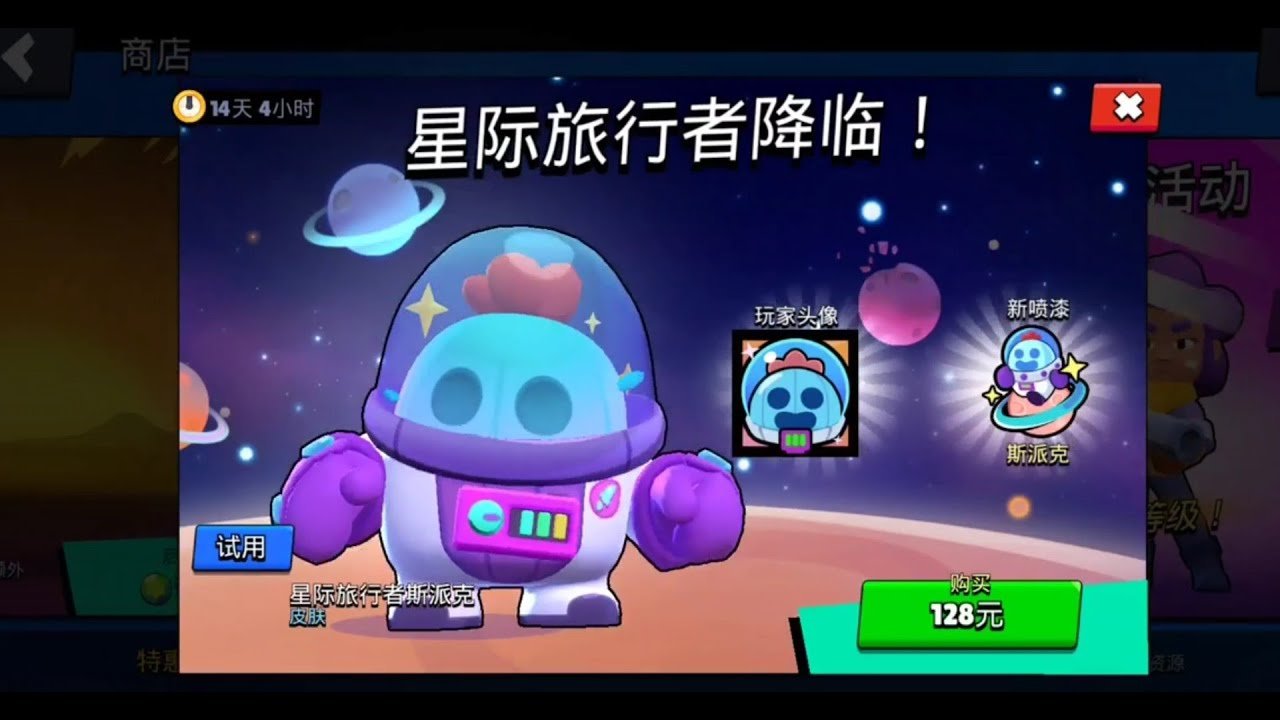
Late 2023 marked a meaningful shift. CNBS launched its first original skin - Astral Traveler Spike - signaling a new level of creative investment in the Chinese version. Around the same time, the Starr Park game mode with random buffs was released. On August 23, 2023, CNBS also released the first paid early-access bundle for Doug, a monetization feature that would later roll out to the global server as well.
2024–2026 - Stable but Stagnant
Player growth, which peaked right after the 2020 launch, has slowed significantly and remains stagnant. CNBS now follows the global server's update roadmap closely, with occasional exclusive content drops. The server remains operational and stable, tied directly to the health of the global version.
DIFFERENCES BETWEEN GBS AND CNBS
On the surface, Chinese Brawl Stars looks like the same game. Look closer, and the differences add up into something genuinely distinct.
Visual and Regulatory Changes
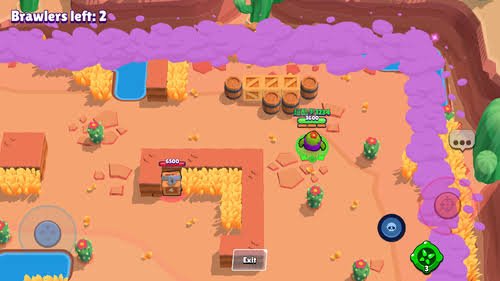
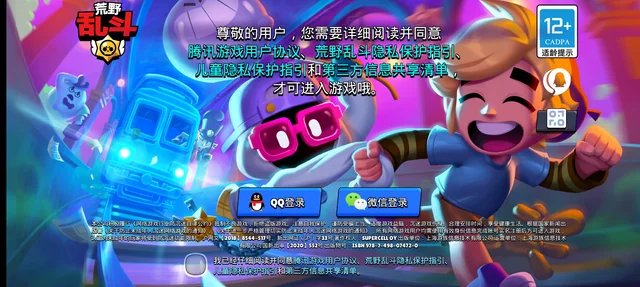
The most immediately visible differences stem from Chinese content regulations. Skulls and bones across maps have been replaced with cacti and sprouts. Hit effects flash white instead of red. The loading screen carries a CADPA age rating that shifts position every new season. These aren't design choices - they're legal requirements.
Gameplay and Anti-Addiction Mechanics
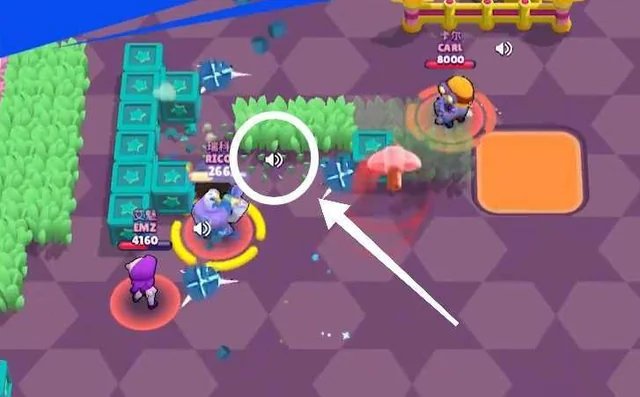
To comply with Chinese gaming addiction regulations, CNBS includes a fast-exit mechanic in Showdown: players who finish in the top 3 (solo) or top 2 (duo) can return to the lobby faster than on the global server. Exiting a match early results in instant death. These systems have no equivalent in the global version.
Social Features
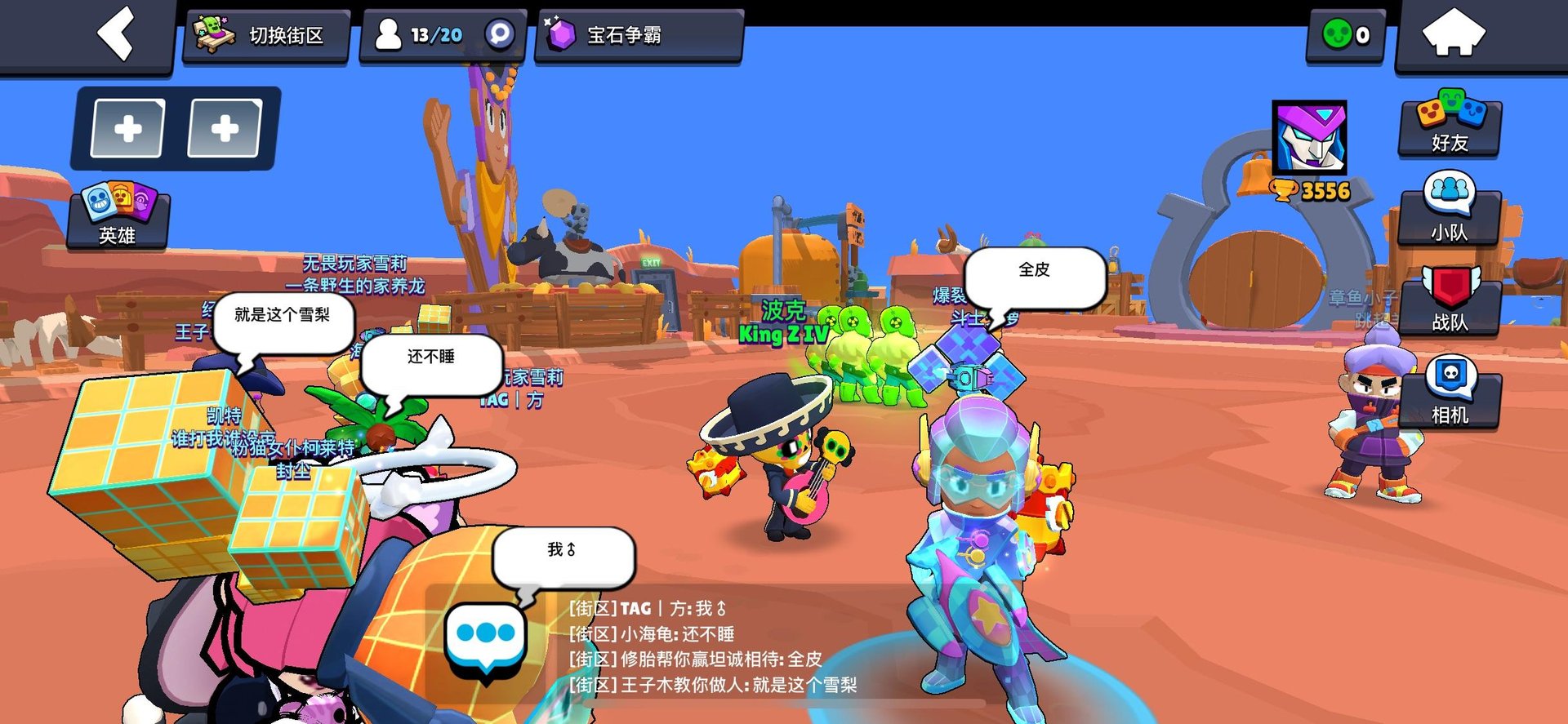
CNBS includes features the global server has never had. There is an in-game voice chat system with a built-in report function for toxic remarks. There is also a 3D social lobby where players can interact, chat, and make friends - a social layer that goes significantly beyond anything in the global version.
Monetization Differences
Monetization in CNBS has historically been more aggressive. Credits were removed from the Brawl Pass and replaced with Brawl Boxes, drawing accusations of pay-to-win design. CNBS also introduced the first paid early-access bundle for a brawler (Doug) before the global server did.
Account and Login System
Global players log in via Supercell ID. CNBS uses WeChat and QQ login - meaning Chinese players have no Supercell account, and their progress exists entirely within the Chinese ecosystem with no crossover to global.
EXCLUSIVE CONTENT
One of the most discussed aspects of CNBS is the content that never made it to the global server.
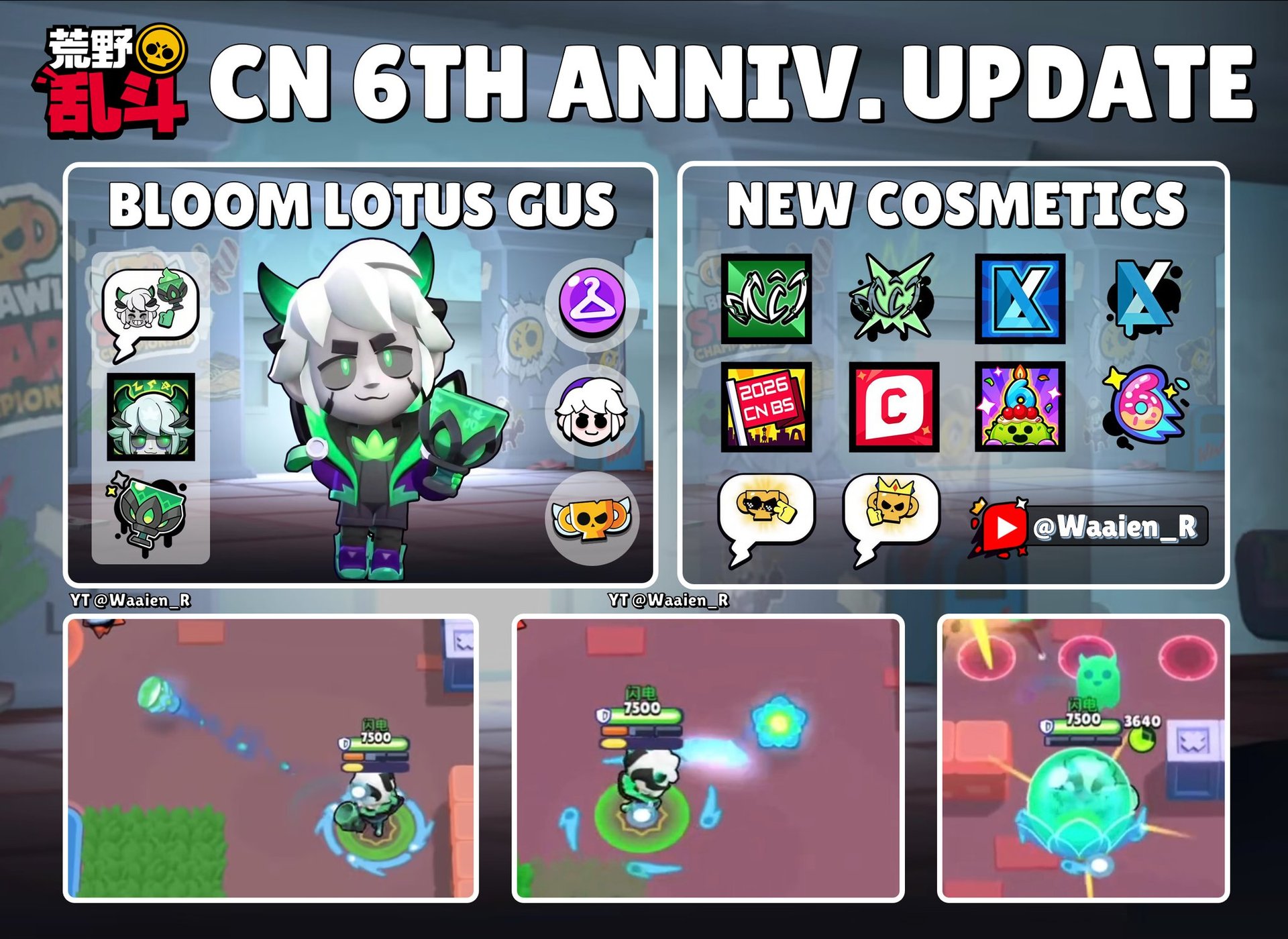
CNBS cannot create original brawlers - that creative authority remains with Supercell. What it can do is create exclusive skins, and it has used that ability to build a catalog of China-only cosmetics unavailable anywhere else.
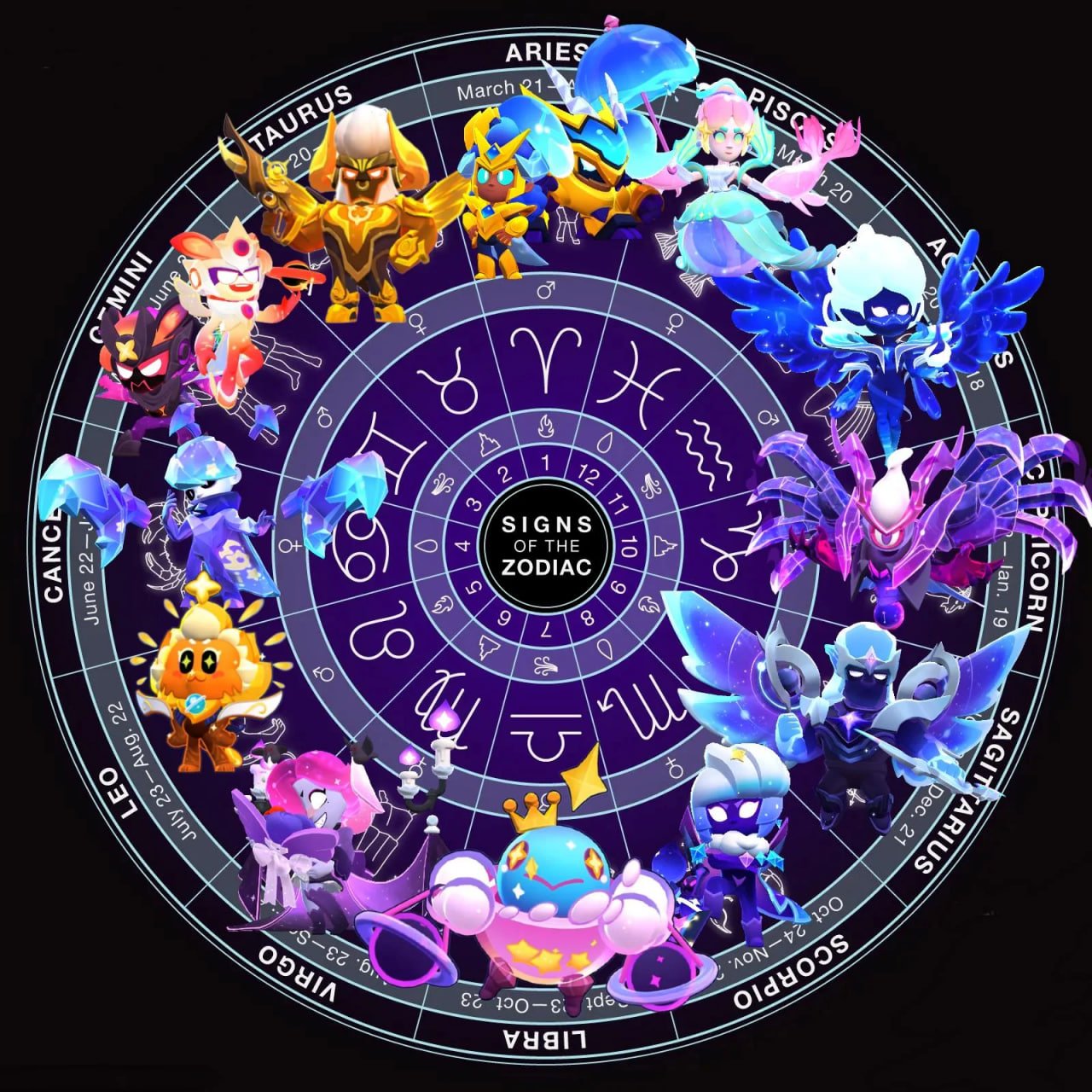
The most significant milestone came in late 2023, when CNBS released its first fully original skin: Astral Traveler Spike. Unlike earlier exclusive skins tied to collaborations, this was an internally developed cosmetic - a first for the Chinese server.
On the collaboration front, two major partnerships stand out: the Boonie Bears collaboration, based on the popular Chinese animated franchise, and the EVA collaboration. Both brought exclusive skins tied to IP that would have had little relevance outside the Chinese market.
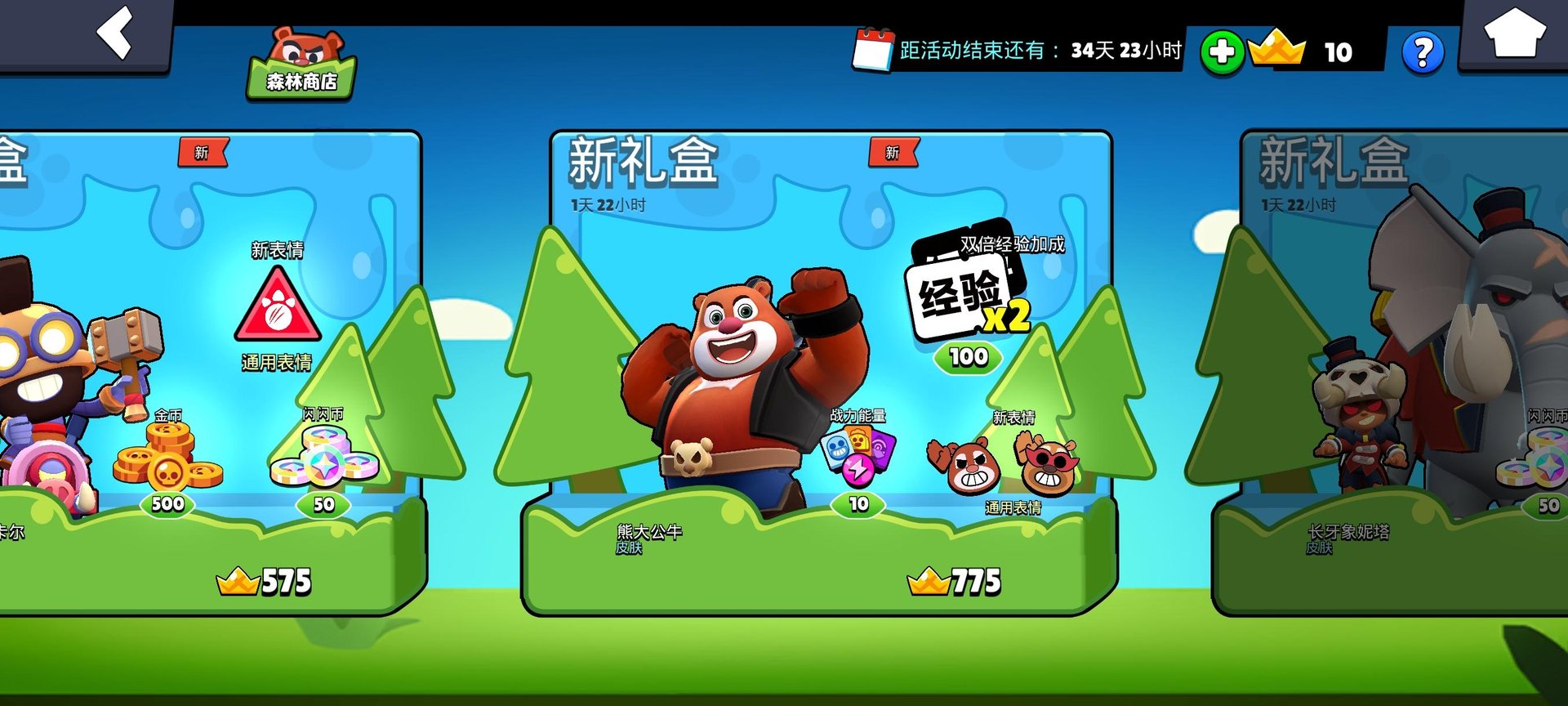
CNBS also featured exclusive victory animations for Chester and Mandy - though these were later removed. The Starr Park game mode with random buffs was another China-exclusive addition, offering a gameplay experience unavailable on the global server.
COMMUNITY, CONTENT & STREAMING
The CNBS community lives on platforms that most global players never use. Bilibili, Douyin, and Kuaishou are the primary hubs for Chinese Brawl Stars content - a completely separate ecosystem from the YouTube and Twitch world of global players.
Within that ecosystem, two names stand out: 魏查德Weichade & 流浪者Liulangzhe, the most prominent content creators in the CNBS community.
The community hit its peak immediately after the 2020 launch, driven by the novelty of the game finally arriving in China and the explosive early revenue numbers. Since then, player growth has slowed and plateaued. The content lull of Season 9 - which stretched over 130 days - left a lasting mark on community engagement, and recovery has been gradual.
CONTROVERSIES AND CRITICISM
What Went Wrong?
No regional version of a major game escapes scrutiny, and CNBS is no exception. Over six years, the Chinese server accumulated a distinct set of criticisms - some imposed from the outside by regulation, others the result of internal decisions that frustrated players.
Censorship: A Game Stripped of Its Aesthetic
The most visible and persistent criticism of CNBS has always been its visual censorship. Skulls and bones - standard elements of Brawl Stars' map design - were replaced with cacti and sprouts to comply with Chinese government policies against content promoting superstition. Hit effects were changed from red flashes to white. For many players, particularly those who discovered the global version first, these alterations made CNBS feel like a sanitized imitation of the game they knew. The changes were not optional, not cosmetic choices - they were legal requirements, and they permanently altered the visual identity of the Chinese version.
Anti-Addiction Mechanics: Protection That Felt Like Punishment
To comply with Chinese regulations on gaming addiction, CNBS introduced forced behavioral mechanics that had no equivalent on the global server. In Showdown, only players finishing in the top 3 (solo) or top 2 (duo) could exit to the lobby quickly - everyone else had to wait. Leaving a match early resulted in instant death. While the intent was regulatory compliance, many players experienced these mechanics as disruptive and punishing, interrupting the natural flow of gameplay for reasons that had nothing to do with game design.
The Season 9 Crisis: 130 Days of Nothing
Perhaps the most damaging period in CNBS history came during Season 9, which stretched over 130 days with almost no new content. The root cause was internal - major team reshuffles and staff changes left the operation effectively paralyzed. Events dried up, updates stopped, and the gameplay grew stale. For a live-service game that depends on a constant content cycle to retain players, this was a serious failure. The community's frustration during this period was significant, and the long-term impact on player retention was real.
Monetization: Pay-to-Win Accusations
CNBS has faced persistent criticism over its monetization model. The most controversial decision was the removal of credits from the Brawl Pass, replacing them entirely with Brawl Boxes - a system widely criticized as more opaque and more favorable to spending than earning. The backlash extended beyond Chinese players: global players watching from outside expressed concern that Chinese players were being subjected to a fundamentally less fair progression system. Comments from the wider community were blunt, with players describing CNBS as a more aggressive pay-to-win environment compared to the global version.
The Brawlywood Controversy
Season 10 brought its own specific controversy, centered on the assassin brawler Fang. The fallout was significant enough that the Brawlywood season was extended by more than 70 days while the situation was addressed - an unusual and disruptive move that left players in an extended content holding pattern.
Removed Content
CNBS also drew criticism for taking away what it had given. Exclusive victory animations for Chester and Mandy - content that had been celebrated as a sign of creative investment in the Chinese server - were later removed without a clear explanation. For a community already accustomed to receiving less than the global server, removing exclusive content felt like a particular betrayal.
ESPORTS AND INTERNATIONAL TOURNAMENTS
CNBS has its own competitive infrastructure, running official tournaments that link up with the Brawl Stars Championship (BSC). Alongside the official circuit, a healthy ecosystem of community-run amateur competitions has developed over the years.
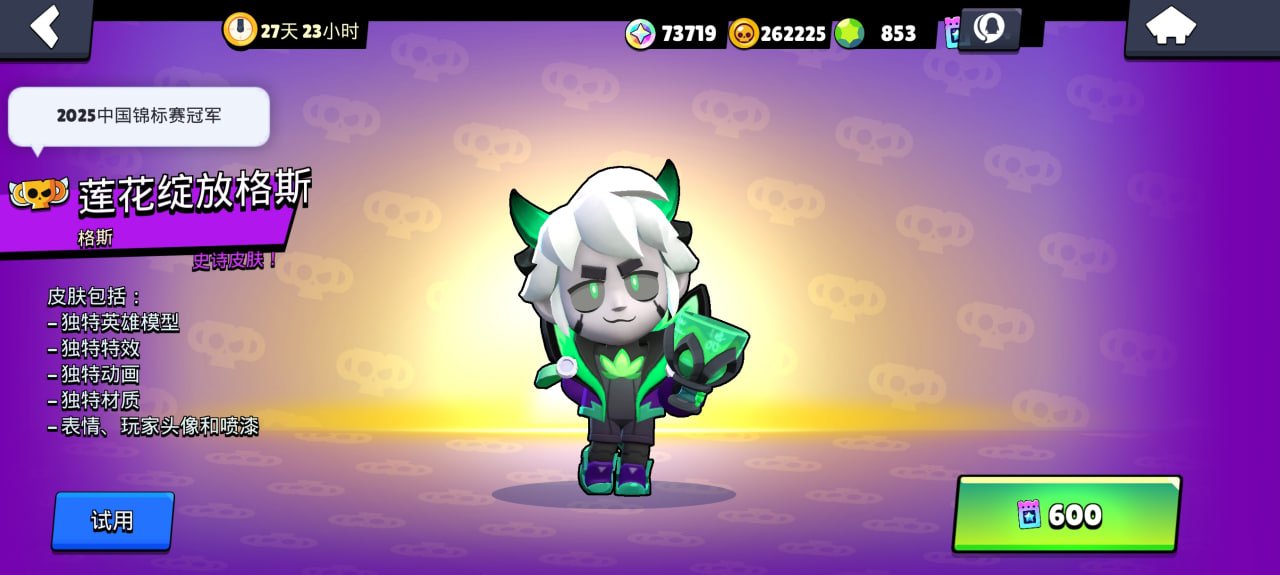
The Chinese server has produced players who compete at the international level. Two names in particular have broken through: Toxic Lotus and Ace Xero, both of whom have represented the Chinese server in international tournaments.
THE FUTURE: DOES CNBS HAVE A FUTURE?
The honest answer is: yes - but on borrowed momentum.
CNBS does not operate on an independent roadmap. It follows the global server's update schedule closely, meaning its future is directly tied to the health of Brawl Stars as a whole. As long as the global server keeps running, the Chinese server will stay online.
What remains uncertain is whether CNBS will ever regain the player growth it saw at launch. The numbers have been stagnant, and there is no announced initiative to reverse that trend. The server is stable, but stability is not the same as growth.
HOW TO DOWNLOAD CNBS?
Where to Download CNBS can be downloaded from several sources. The two most reliable options are:
- TapTap - taptap.com
- The official Brawl Stars CN site - bs.qq.com
Note that access to these platforms and the game itself may be restricted depending on your region. Non-Chinese players should be aware that account creation may require a Chinese phone number for verification. Playing the Chinese version of Brawl Stars requires a few steps that global players won't be familiar with.
Account Requirements
CNBS uses Tencent's login ecosystem exclusively. To play, you need either a QQ or WeChat account - both developed by Tencent and among the largest social platforms in China. You may also be required to enter a phone number and complete real-name verification, in line with Chinese gaming regulations.
CONCLUSION
Six years is a long time for any version of a live-service game to survive - let alone one operating under a separate publisher, inside one of the world's most regulated gaming markets, with its own content pipeline and community ecosystem.
Chinese Brawl Stars was never meant to be a simple translation. From the moment Youzu secured distribution rights in 2019, through the chaotic dual-operator launch of 2020, through Tencent's consolidation of control in 2022 and the creative ambitions of 2023, CNBS carved out something genuinely distinct. A 3D social lobby. Original skins. Early-access bundles before the global server saw them. Its own esports circuit. Its own stars - 流浪者Liulangzhe and 魏查德Weichade - building audiences on platforms the global community has never heard of.
But the story of CNBS is also one of missed potential and recurring frustration. Season 9's 130-day content drought. Removed exclusive content. Monetization decisions that pushed players away. A player base that peaked at launch and never fully recovered that momentum.
What makes CNBS worth studying - and worth celebrating on its sixth anniversary - is precisely this contradiction. It is a version of Brawl Stars that was simultaneously more restricted and more experimental than anything the global server offered. Censored aesthetics and a 3D social lobby in the same game. Pay-to-win criticism and first-mover innovation in the same update cycle.
As long as the global server keeps running, CNBS will too. Whether it grows beyond stagnation, whether it produces more original content like Astral Traveler Spike, whether Toxic Lotus and Ace Xero inspire a new generation of Chinese competitive players - none of that is certain.
What is certain is that for six years, Chinese Brawl Stars has been its own thing. And that is worth acknowledging.
Share this article