 Clash Royale
INTRODUCTION
On November 21, 2025, the new TV Royale was released. In it, Clash Royale introduced a new card rarity to players: Heroes. Initially, the first four heroes were announced: Mini P.E.K.K.A., Musketeer, Knight, and Giant. While these heroes are now only available from Arena 5, they were originally unlocked at Arena 15.
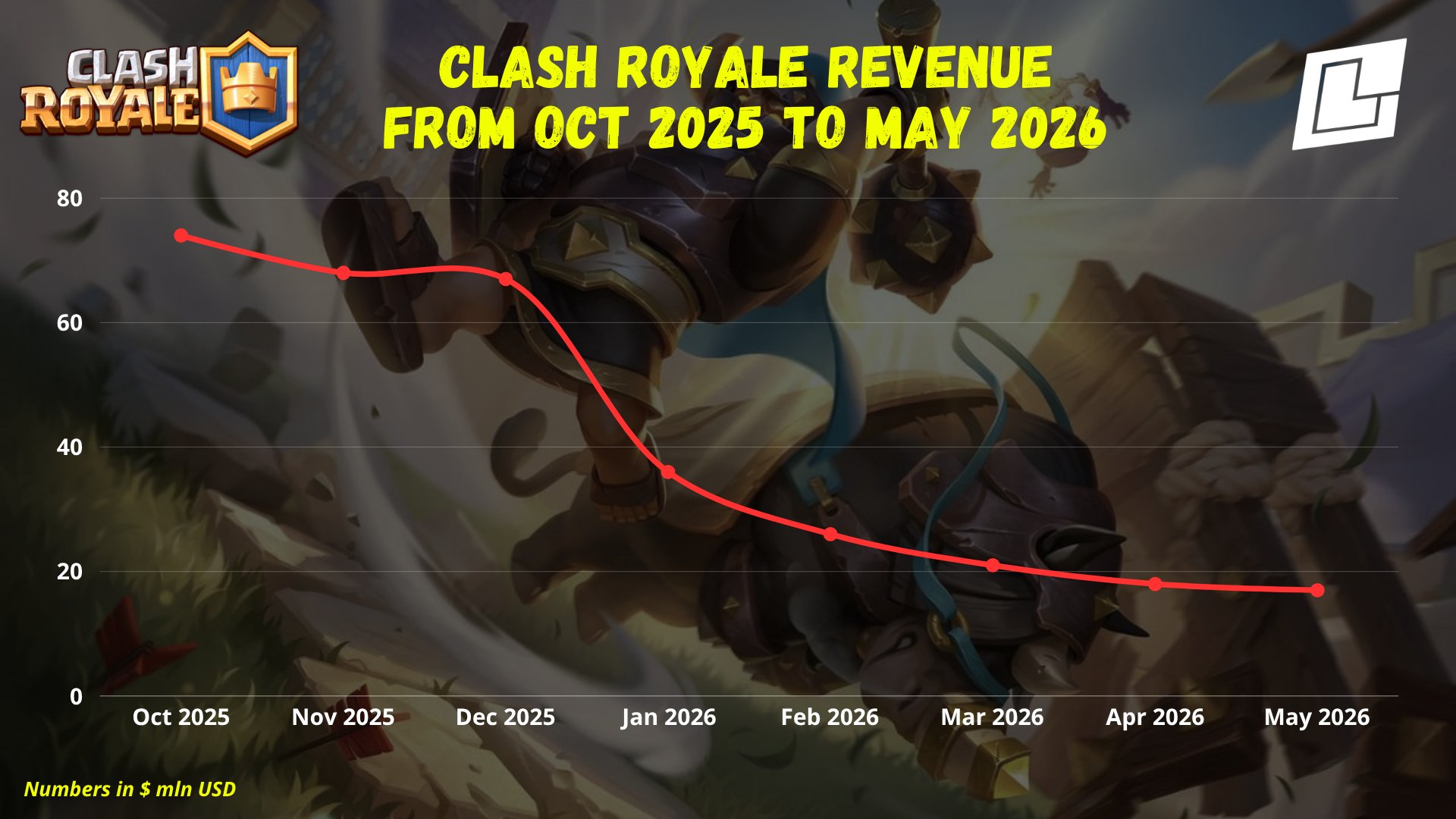
Despite these significant innovations, players weren't thrilled. This can be seen from the number of dislikes, which are 105% higher than the number of likes during that TV Royale. Players hated the game heavily. October 2025 was the last month in which the game was #1 in revenue, with a whopping $74 million per month. However, now the game is just behind Hay Day with only $17 million. How did it happen that the game's revenue dropped 77% in less than six months? In our article today, we'll talk about the in-game heroes, how it all came to be, and also discuss the external factors that changed due to the introduction of heroes.
PART 1. THE PATH TO HEROES
1.1. Heroes back in 2020
In March 2026, the game celebrated its 10th anniversary. During this time, the game has changed dramatically. During this time, several controversial and simply innovative features were added that not all players liked, such as card evolutions or the addition of Champions as a new card rarity. The very first mention of Heroes was in November 2025, but six years earlier, the developers had already touched on the idea of introducing Heroes into Clash Royale.
Early 2020. Clash Royale's then-super creator, KFC, interviewed Drew Haycock, then one of the Clash Royale developers. The interview consisted of a dozen questions, one of which was: "Are there plans to add Heroes to Clash Royale?" Drew responded that adding Heroes sounded really cool, but would it really work if a Hero was essentially a card that would destroy everything? They've been thinking about how to implement Heroes into the game, but haven't found anything suitable yet. If the whole team likes it, they'll definitely add them. After all, it's all about creating the highest quality game possible.
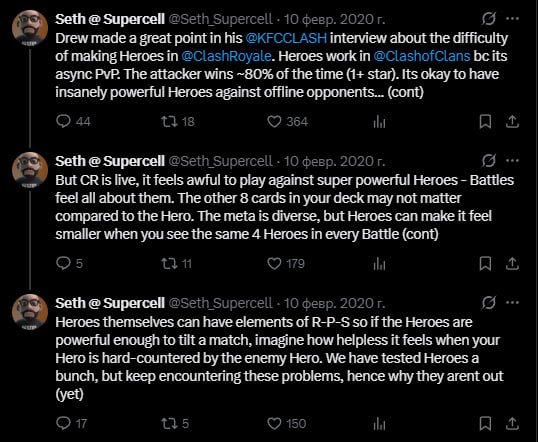
After the interview was posted online, Seth, who worked as a Game Designer for Clash Royale from 2018-2020, focused on gameplay, balance, and new card development, joined the conversation. In his Twitter post, he stated the following:
1. Heroes work well in Clash of Clans, but not in Clash Royale.
In CoC, the attacker wins ~80% of the time, so a powerful Hero against an opponent is fine. In Clash Royale, it's real-time PvP, and playing against a super-powerful Hero is unpleasant.
2. Heroes "eat" the other 8 cards in the deck.
When the entire game revolves around a single Hero, the other cards become irrelevant. The meta is becoming smaller and more monotonous - "you see the same four Heroes in every battle."
3. The Rock-Paper-Scissors Problem
If Heroes are strong enough to decide the outcome of a match, imagine how frustrating it is when your Hero is harshly countered by the enemy Hero. The team tested the system, but ran into these problems time and time again.
However, despite all this, the first Champions will be released in October 2021, Evolutions in June 2023, and those very same Heroes that changed the game forever will be released in November 2025.
1.2. Evolution of Cards’ Rarities
Since Clash Royale's global launch in March 2016, the game has featured only four card types: common, rare, epic, and legendary. Naturally, the higher the rarity of a card, the more difficult it is to obtain from crates or open in specific arenas. However, in October 2021, everything changed with the introduction of a new card rarity: Champions.
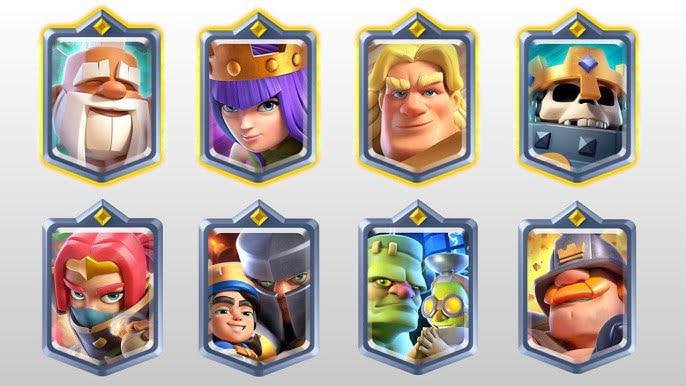
When Champions appeared in Clash Royale, the initial reaction was positive. Players appreciated the new active ability mechanics - the Archer Queen's cloak of invisibility, the Monk's reflective shield, and the Golden Knight's teleportation. This added a skill element to the game: now it was necessary not only to place the card correctly but also to activate the ability at the right time.
However, the honeymoon was short-lived. It quickly became clear that Champions created a "three-card cycle" mechanic - experienced players could keep a Champion active, effectively playing with a four-card deck instead of eight. This provided a huge advantage and turned matches into predictable patterns, where the outcome was largely determined by the presence of the Champion, not the player's skill.
The progression economy became a particular pain point. Free-to-play players found that leveling a Champion to a competitive level required colossal amounts of gold and cards. When the card cap was simultaneously raised to level 15, the gap between paying and free players became especially acute.
The situation was exacerbated by unstable balance: some Champions dominated the meta for months, while others became practically useless after nerfs. Players grew tired of the endless cycle of "broken card → nerf → next broken card." This disillusionment with Champions largely explains why the introduction of Heroes in 2025 was met with such apprehension from the community from the very first announcements.
Not to mention the Evolutions that were demonstrated in June 2023. They were met with curiosity: they were visually impressive, and new mechanics - like the Barbar's shield or the Archer's double shot - seemed like an interesting way to liven up familiar cards. Some players truly appreciated this fresh dimension to gameplay.
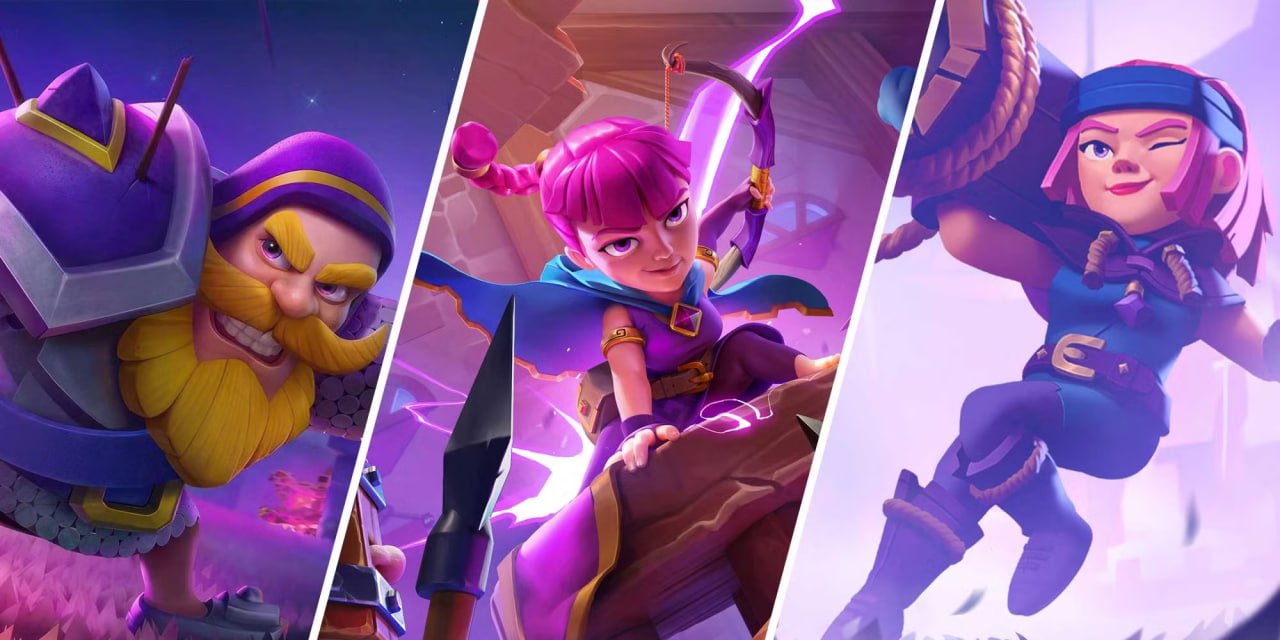
But the overall tone of the community quickly shifted to negativity, for several reasons.
The main complaint was balance. Early Evolutions, especially Firecracker and Royal Giant, were so strong that they effectively dictated the meta. Matches were often decided not by tactics, but by the simple question of whether you had the right Evolution or not. This undermined the very sense of fair play.
At the same time, dissatisfaction with the economy was growing. Evolutions were initially tied to Pass Royale - a monthly subscription. Free-to-play players were receiving Shards so slowly that they were several Evolutions behind paying players. The community perceived this as blatant pay-to-win, and the criticism was harsh.
Over time, players began proposing concrete solutions: giving Evolutions negative side effects in exchange for powerful abilities, limiting the number of uses per match, and simplifying Shard acquisition. Supercell eventually partially incorporated some of these ideas, and the availability of Evolutions improved over time.
Importantly, the Evolution story created persistent skepticism in the community. When Heroes was announced in 2025, many players reacted through the prism of this very experience - expecting another cycle of "broken mechanics → pay-to-win → delayed balance."
Naturally, after these changes were made to the game, the addition of Heroes was met with strong and negative reactions from players. The community's reaction to Heroes will be discussed in more detail in Part 4, but for now, let's take a closer look at the Heroes themselves and their mechanics in general.
PART 2. HEROES & THEIR MECHANICS
2.1. What are Heroes and how do they differ from their predecessors?
Heroes are essentially beefed-up versions of classic Clash Royale troops, but with their own visual identity and unique abilities. Visually, they look like "golden versions" of familiar cards, but in practice, they feel more like in-game Wild Cards, opening up entirely new combinations.
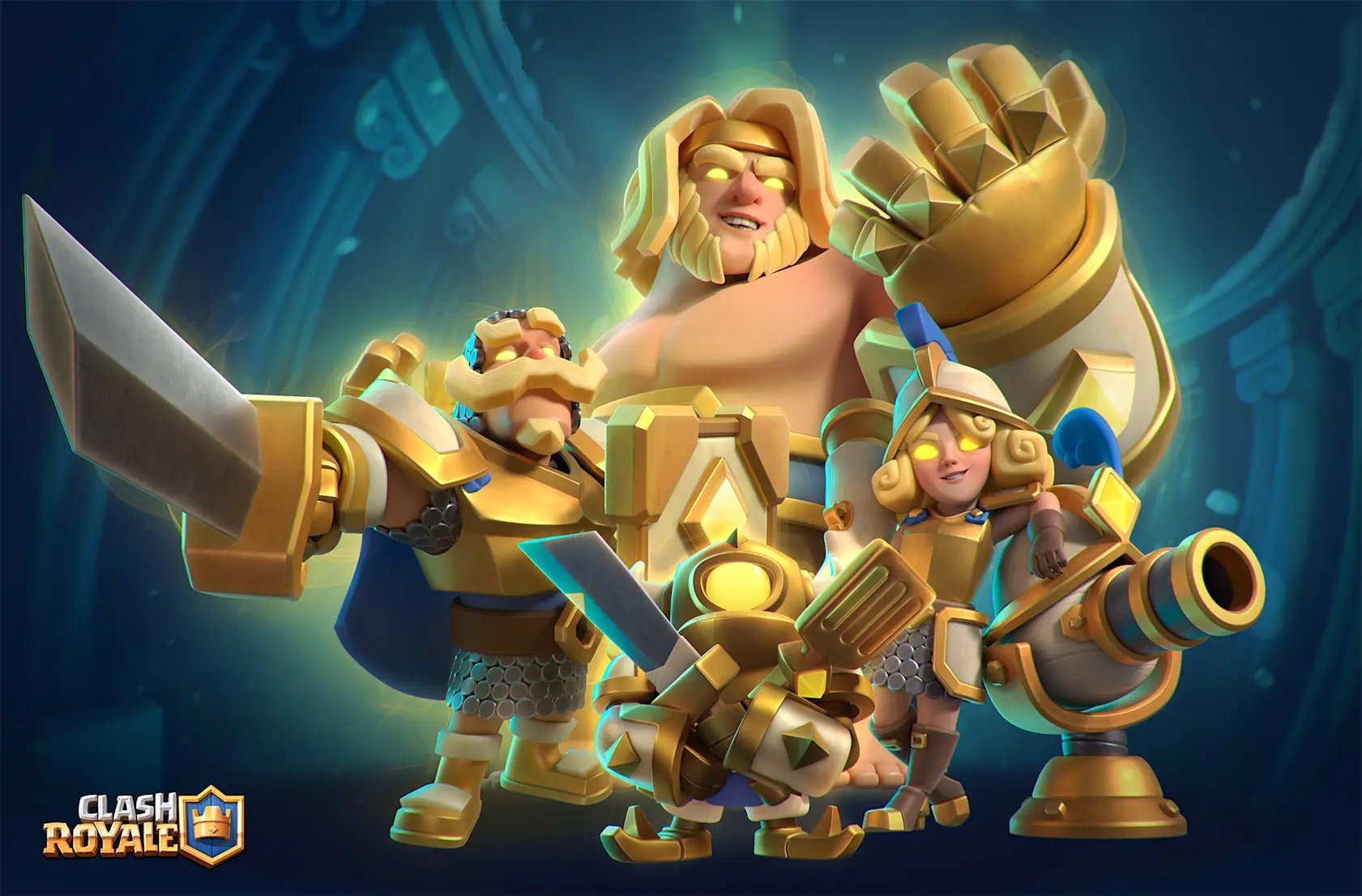
While Evolutions simply buffed standard cards with additional effects, and Champions provided a single activated ability as a nice bonus, Heroes work differently. They are designed to be the absolute center of the entire deck - the entire strategy is built around the Hero. This is a fundamental difference from Champions, which only provided a strategic advantage.
The key technical difference from Evolutions: unlike Evolutions, Heroes' abilities can be used every time a card is played - they are not tied to a "cycle." This makes Heroes a much more stable tool in battle.
2.2. Deck Slots and Availability
Heroes and Champions now occupy the same deck slots. The first slot unlocks at Arena 15, and the second at Arena 25. This means that players can't simply add a Hero to their deck - they must choose between a Hero and a Champion.
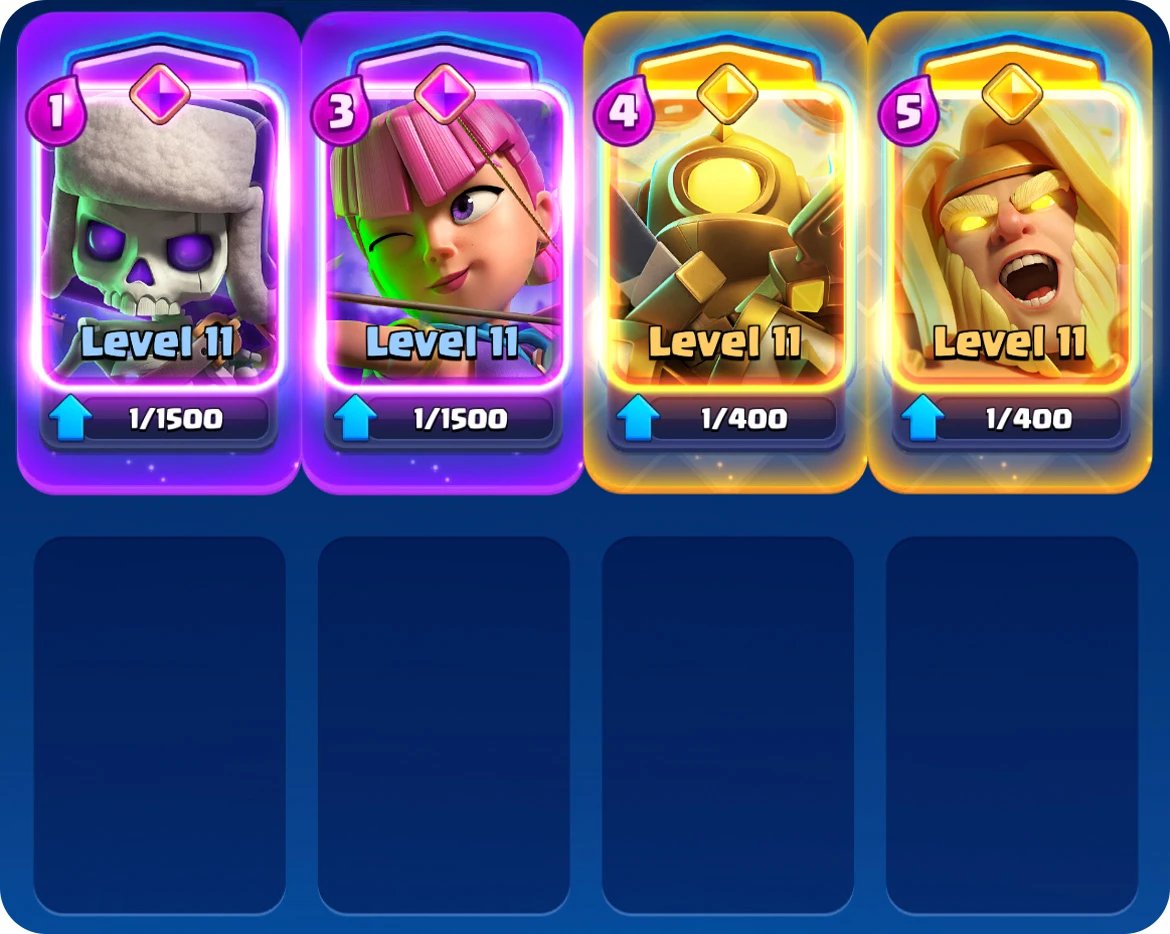
With the March 2026 update, the first and only Hero slot was moved to Arena 5 to make the system accessible to new players. After the latest updates, most formats can only use one Hero per deck.
2.3. The Hero Acquisition System: From Fragments to Coins
Originally, the Hero acquisition system was built on Hero Fragments:
You needed to collect 200 Fragments to unlock a random Hero. Fragments could be obtained from events, Hero Boxes, and Pass Royale. If you dropped an existing Hero, you received cards and 60 additional Fragments.
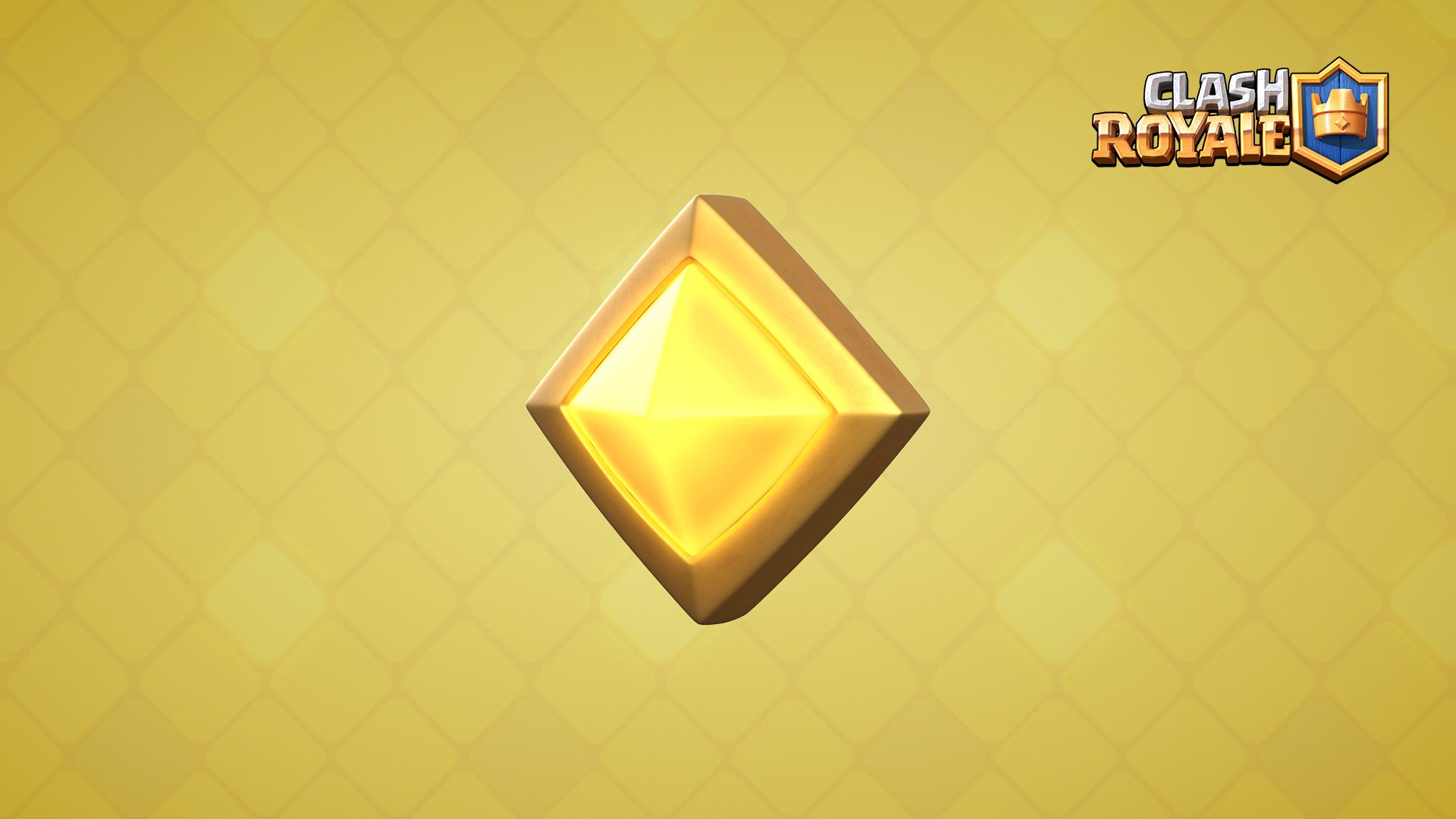
This immediately drew criticism: players couldn't choose who to unlock - a random Hero would drop. You could farm Fragments all season long, finally reach 200, and the game would simply give you the Hero it deemed necessary. A duplicate you already had? Nothing to be done.
Supercell heard the criticism. Since March 2026, Hero unlocks have ceased to be random - now the player chooses who to unlock by spending Hero Coins. This is a huge shift from a luck-based progression. Additionally, each season on the free track now guarantees 75 Hero Coins.
The fragments have simply been renamed Hero Coins, but the concept has changed dramatically: upon collecting 200 coins, the player opens the Magic Items tab and selects the desired Hero - no random selection required.
2.4. All Heroes: A Complete Breakdown of Their Abilities
Between December 2025 and May 2026, 14 Heroes were added to the game. At the time of this article's publication, Clash Royale currently features: Hero Knight, Hero Giant, Hero Mini P.E.K.K.A., Hero Musketeer, Hero Ice Golem, Hero Wizard, Hero Goblins, Hero Mega Minion, Hero Barbarian Barrel, Hero Magic Archer, Hero Dark Prince, Hero Balloon, Hero Bowler, and Hero Tombstone.
⚔️Hero Knight - "Triumphant Taunt"
This ability costs 1 Elixir and causes all enemies within a 7.5 tile radius to switch to the Hero Knight, including Crown Tower troops. For 5 seconds after activation, the Knight gains a shield that adds approximately 30% to their health. This creates a game mechanic that allows any allied unit to be protected for a few seconds.
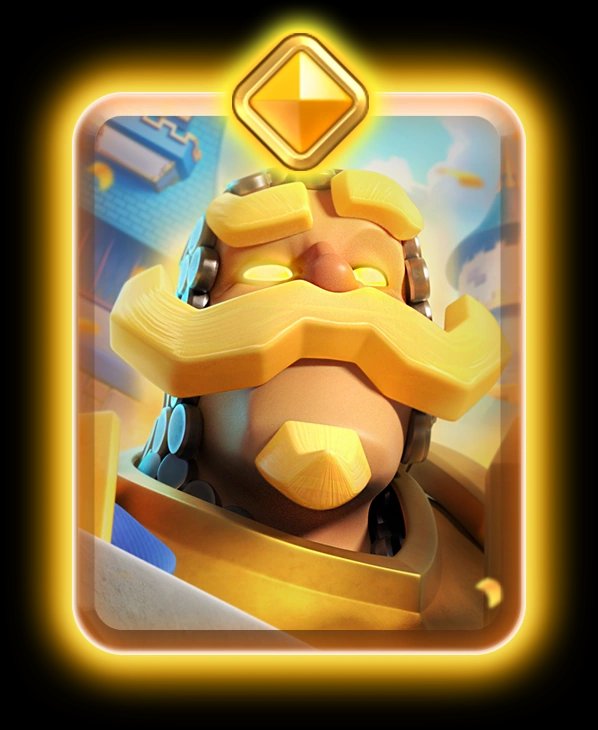
Usage: Activate when enemy units target your primary attacker to redirect damage to the Knight with the shield.
🏔️Hero Giant - "Heroic Hurl"
The Hero Giant can grab the nearest enemy unit and throw them to the opposite line. Upon landing, the unit takes massive damage and is stunned.
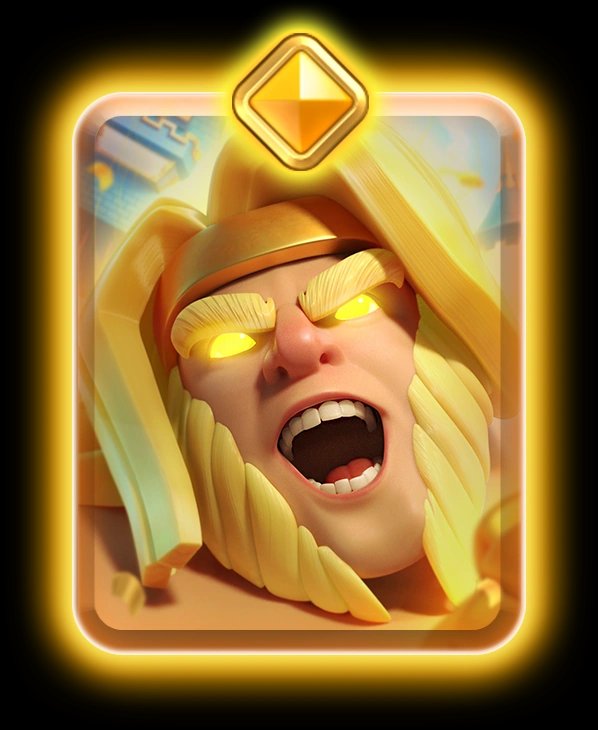
This is one of the most unique abilities in the game's history: it changes the positioning of enemy troops, can knock a key defender out of the attack line, and create a numerical advantage.
🍳Hero Mini P.E.K.K.A. - "Breakfast Boost"
This ability is called "Breakfast Boost" and costs 1 Elixir. Hero Mini P.E.K.K.A. appears on the field with a "Pancake Bar," which fills in two ways: passively over time and by hitting enemies.
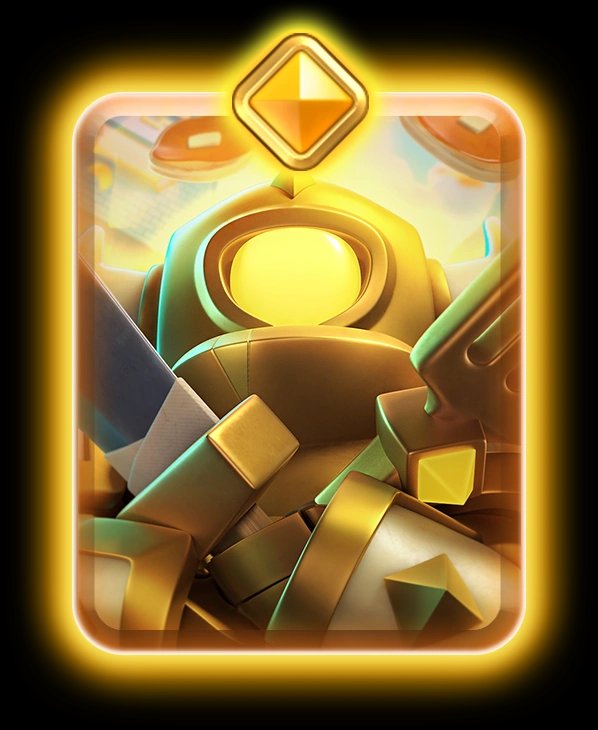
The bar fills passively - each bar fills in approximately 22 seconds - or by 50% with each successful hit. This ability can only be used once per deployment.
Each pancake he eats increases his level by one - he can accumulate up to five pancakes, gaining up to five additional levels. Here's an important detail: the HP increase doesn't depend on Mini-P.E.K.K.A.'s current health - even with 1 HP, he gains the same amount of bonus health as with full HP. He also heals for 40% of the damage taken.
🔫Hero Musketeer - "Trusty Turret"
Hero Musketeer deploys an automatic, short-range turret directly in front of him that deals area-of-effect damage and hits both ground and air targets.
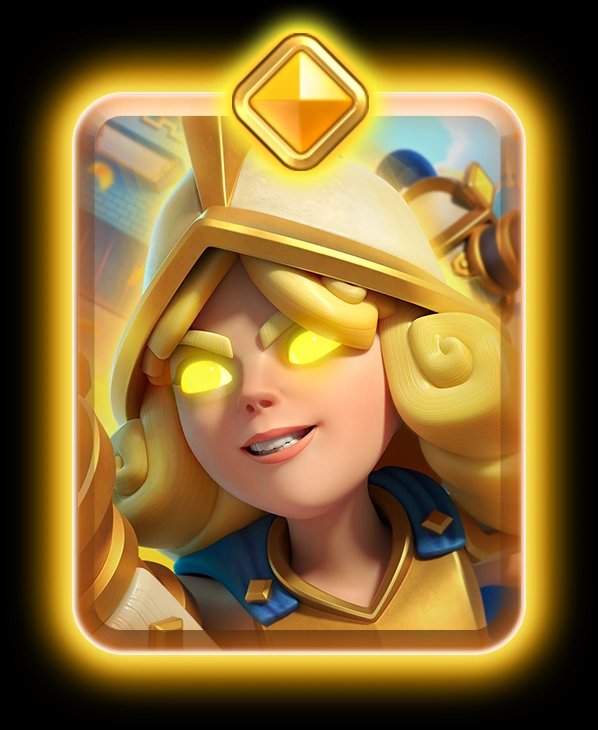
The turret activates every time a card is placed, providing repeatable zone control throughout the match.
🧊Hero Ice Golem - "Snowstorm"
Snowstorm creates a large circular zone that moves with the Ice Golem. The radius is 4 tiles (slightly larger than Poison, but smaller than Tornado). The effect persists after the Hero's death.
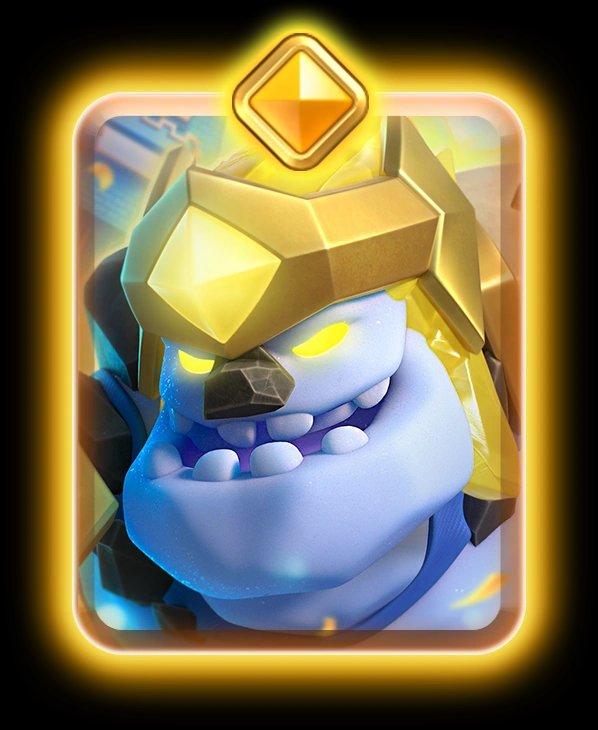
Additionally, when Hero Ice Golem dies, it splits into two smaller Ice Golems, creating two distractions for enemy troops. At 2 Elixir, it's one of the most stealthy cards in the game.
🔥Hero Wizard - "Fire Wings"
Fire Wings temporarily transforms the Wizard into an air unit - it can evade ground-based spells and units, move around the arena, and continue dealing area-of-effect damage from the air. However, it remains expensive (5 Elixir) and vulnerable in terms of health.
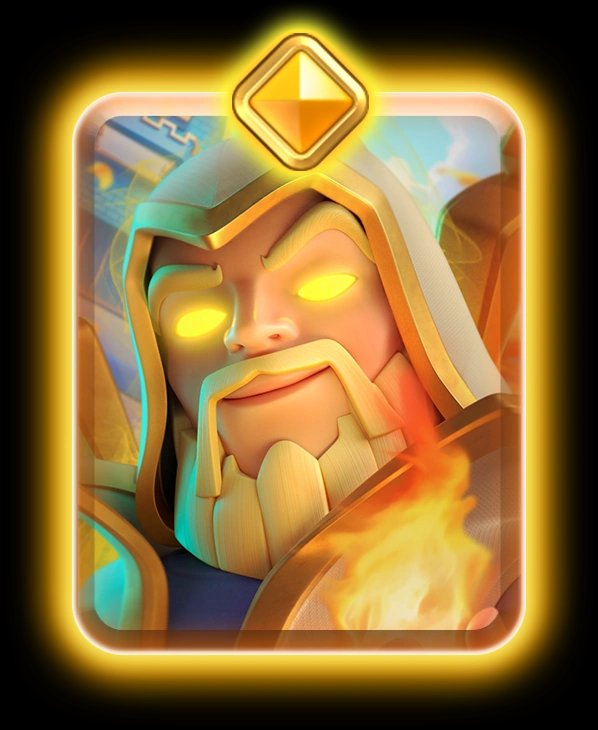
👺Hero Goblins - Fast Cycling
Goblins provide strong pressure at a low ability cost and fit perfectly into fast cycling decks.
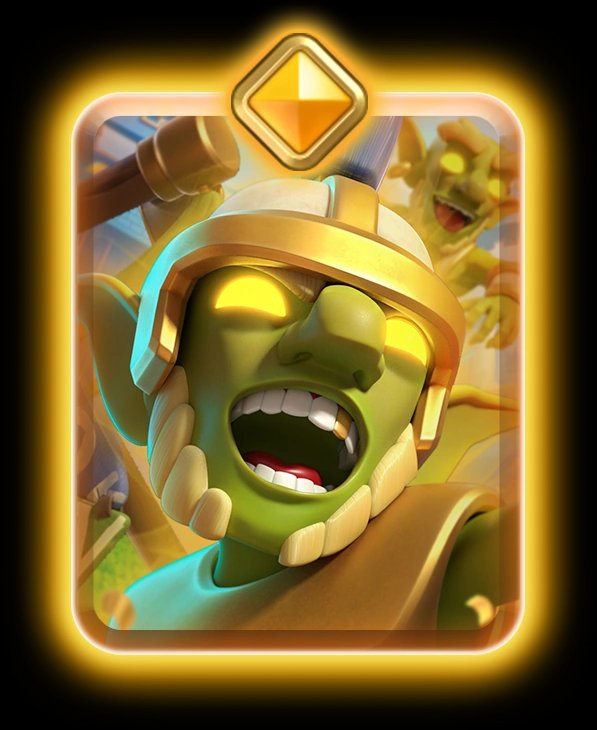
🏹Hero Magic Archer - "Teleport and Triple Arrow"
When activated, a decoy appears in the Archer Mage's location, and he teleports back five tiles. His next attack fires three arrows with a maximum range of 15 tiles - the longest attack range in the game at the time.
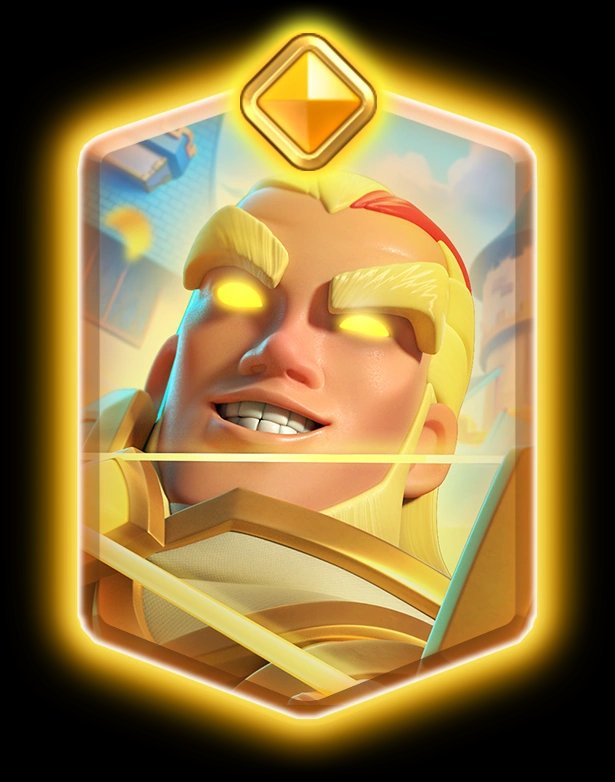
Hero Barbarian Barrel - "Rowdy Reroll"
The initial barrel throw deals damage in a line and knocks back smaller units, like a mini-spell. A 1-Elixir ability allows him to repeat this throw, providing area control and repositioning. He can knock the Princess off the bridge, knock back the Goblin Barrel, and then continue fighting like a normal Barbarian.
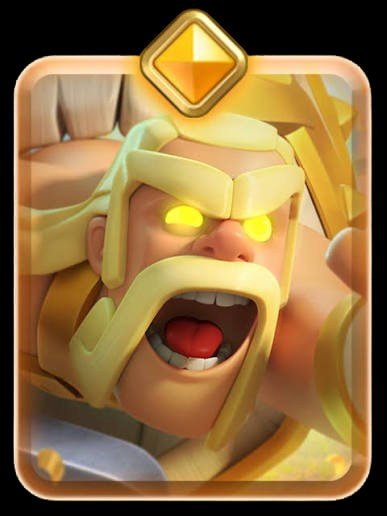
🦇Hero Mega Minion - "Wounding Warp"
This ability costs 2 Elixir: Mega Minion teleports to the enemy with the lowest maximum health in the arena and deals increased damage upon landing - the first hit is 50% stronger than normal. The teleport range is unlimited. While moving, he can't be targeted, allowing him to evade attacks already targeted. This ability is used once per deployment. Due to its meta dominance, the card was nerfed twice in a row.
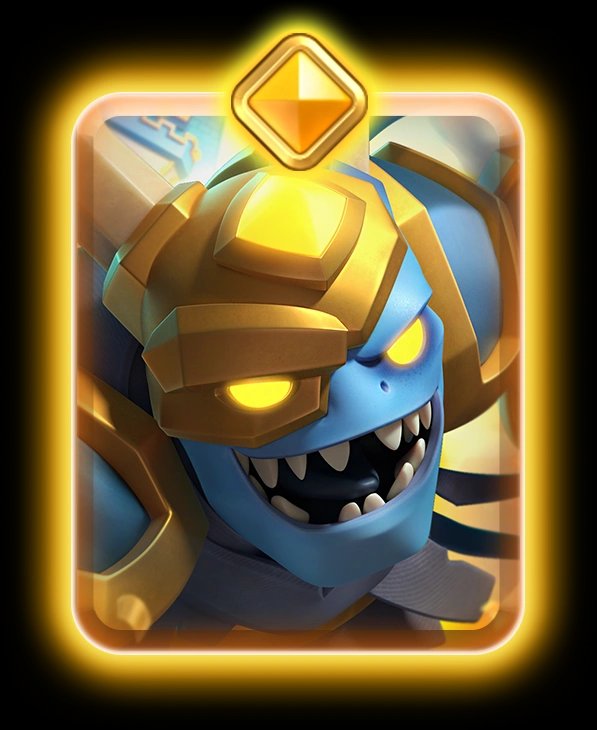
🎈Hero Balloon - "Coffin Cadets"
This ability costs 2 Elixir: Skeletrooper jumps from the Balloon and dives towards the nearest ground target within 6.5 tiles, dealing AOE damage upon landing and remaining on the field as a melee unit. Damage to Crown Towers is reduced by 90%. Essentially, it's a built-in skeleton army in one card, simultaneously clearing out swarm areas under the Balloon.
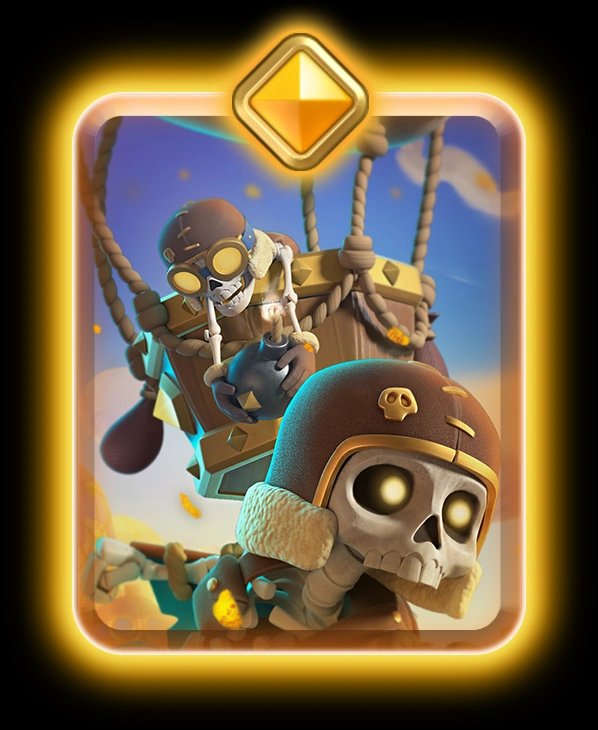
🎳Hero Bowler - "Stone Swish"
This ability costs 2 Elixir - the cheapest in the game at release. When activated, the Brawler stops and releases 4 long-range boulders over 9 seconds, dealing AOE damage in a line. He transforms into a stationary siege weapon - the complete opposite of the standard Brawler, who moves forward on his own. An important nuance: his 9-second immobility makes him an easy target without cover.
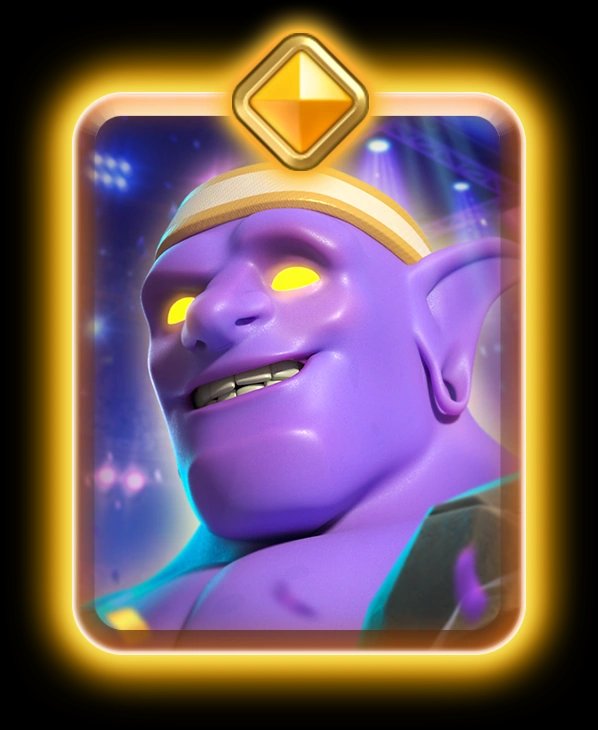
🗡️Hero Dark Prince - "Destructive Dismount"
When activated, Dark Prince literally splits into two separate units with different roles: the Rhino charges forward toward buildings, while the Dark Prince himself remains behind with a shield, dealing area-of-effect damage to anyone who approaches. Due to the strength of this mechanic, the card received a nerf in the first season, and a second in the following season.
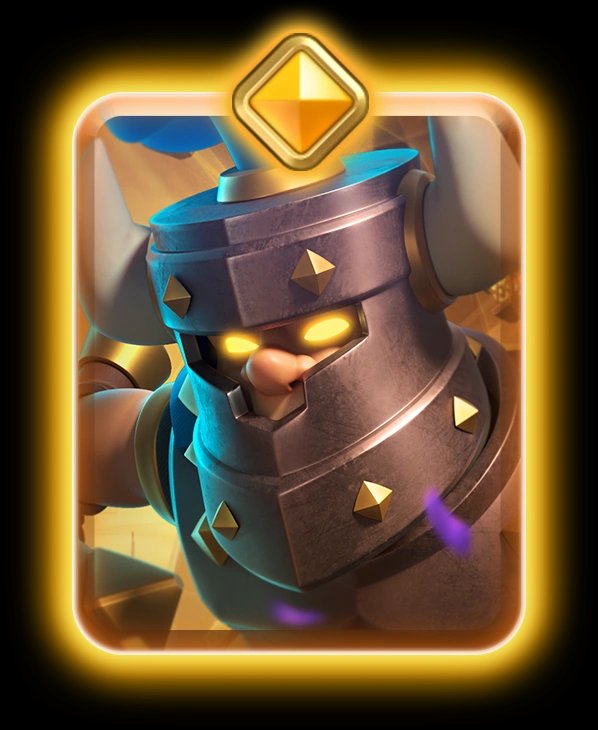
⚰️Hero Tombstone - "Regal Revival"
The first Hero-building in the game's history. You place the Tombstone like a regular building - it functions as normal, spawning skeletons. When activated, the Tombstone is destroyed, and the Tomb Queen rises from the ground, attacking only buildings and towers. The ability costs 6 Elixir - the most expensive in the game. The card costs a total of 9 Elixir, transforming a cheap distraction into a full-fledged wine-conditioning system. It can be obtained for free through an event - a rare case where a Hero is not tied to Pass Royale.
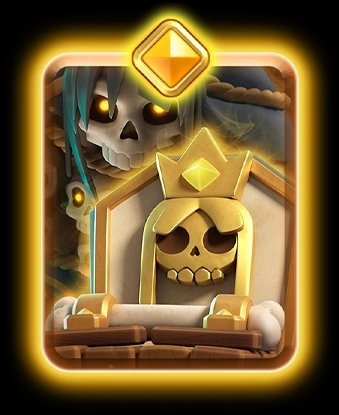
Over the course of six months - from December 2025 to June 2026 - 14 Heroes were added to the game. This is an unprecedented pace for Clash Royale: neither Evolutions nor Champions have appeared so quickly. This pace has become one of the main sources of debate in the community - more on that in the following sections.
PART 3. HOW HEROES CHANGED GAMEPLAY
3.1. Redesigning Deck Logic
Before Heroes, a Clash Royale deck functioned as an ensemble: eight cards of roughly equal weight, where victory depended on synergy, cycles, and the right timing. Heroes broke this logic.
Heroes are designed as the absolute center of the entire deck - the entire strategy is built around a single unit. This is a fundamental difference from Champions, which provided only a strategic advantage. Now, the Hero is chosen first, and only then are the other seven cards - support, defense, and cycle - chosen around it. This shift in focus completely changed the deck-building process itself.
In 2026, the strongest decks are built around a single reliable Hero and one or two evolutions with an elixir curve of 3.0 to 3.8 and reliable counter-Swarm tools.
3.2. Deck Slot Reform
Originally, the system looked like this: two slots for Evolutions, two for Heroes/Champions - a total of four special slots. This quickly became a source of confusion and complaints about being too cluttered.
In mid-March 2026, due to popular demand from the community, the maximum number of special slots was reduced from four to three. The goal was to limit complexity and maintain deck building flexibility.
The deck now includes one Evolution slot, one Hero slot, and one Wild slot. The Wild slot can be used for Hero, Evolution, or Champion. This change applies to Trophy Road, Ranked, and Trials.
The Wild slot is a new mechanic: it can activate either Evolution or Hero form. If a card has both forms, the Wild slot defaults to Evolution, but the player can manually switch it to Hero form.
This change created a new type of strategic choice: which is more important - a second Evolution or a second Hero? Most players will prefer to use two Evolution slots due to their advantages. As new Heroes are released, this tradeoff will become more clear - the Wild slot created a direct comparison between Heroes and Evolutions for the first time.
3.3. Impact on the Meta
The 2026 meta is built entirely on level 16 cards and Hero combos. This has created several persistent metatrends.
The emergence of "Anchor Heroes." Each archetype now gravitates toward a specific Hero: fast-paced cycle decks take Hero Goblins or Hero Barbarian Barrel, beatdown decks are built around Hero Knight or Hero Wizard, and air pushers have received Hero Balloon. The meta often becomes dominated by a few specific archetypes - fast cycle decks and bait decks - forcing players to either adopt the dominant style or accept a disadvantage.
Active decision-making in combat. Before Heroes, match outcomes were determined primarily by lineup and elixir advantage. Heroes introduce active decision-making into every match: the player manipulates the ability button at critical moments, requiring timing, resource management, and tactical use of abilities.
The "broken → nerfed" cycle. Each new Hero dominated the meta upon release, only to be immediately nerfed. Hero Mega Minion was too strong as a backline assassin - his teleport damage was reduced from 468 to 412 (-12%). Hero Knight received a shield nerf, and Hero Musketeer's turret spawn time was increased from 1 to 2 seconds due to its too-fast deployment. Hero Magic Archer received its harshest nerf in April 2026, doubling its cost from 1 to 2 Elixir.
3.4. Skill and Progression Gap
The introduction of Heroes exacerbated a long-standing pain point in the game - the balance between skill and card level.
The progression system increasingly favors paying players, creating an unfair environment where skill is often secondary to spending - especially for free-to-play players.
On the other hand, in 2026, Hero abilities and Evolution timing decide the outcome of a game. Skill is important - but now it includes not only troop placement but also the correct timing of ability activation.
Maintaining a relevant meta requires a tight skill gap: those who quickly master new tactics rise up the ladder, while everyone else is left behind.
3.5 Progression Reform in Response to Criticism
Supercell quickly responded to feedback and made systemic changes.
One of the major changes was the reform of Hero acquisition: unlocking is no longer dependent on random drops. Players collect Hero Coins and choose the Hero they want. The free Pass Royale track includes 75 guaranteed Hero Coins each season.
At the same time, the issue of duplicate cards was addressed: players with fewer than 60 max-level cards no longer receive duplicates. For those with more, the probability of receiving duplicates was reduced by 90%.
The first Hero slot was moved to Arena 5, allowing new players to begin interacting with the system much earlier.
3.6. Heroes and Meta Diversity
The paradox of the Hero system is that it simultaneously expanded and narrowed diversity.
On the one hand, each Hero unlocks a unique archetype: Hero Tombstone created a completely new "building-in-win-conditioning" style, Hero Ice Golem revived cheap cycle decks, and Hero Bowler ushered in a siege-based playstyle. Cards that had been gathering dust for years suddenly found new life in the form of Heroes.
On the other hand, a healthy meta should allow for a wide variety of strategies to win. In Clash Royale, the meta is often dominated by a few specific archetypes, which encourages either adopting a dominant style or accepting a disadvantage.
Supercell acknowledged that Heroes had a rough start, explicitly stating in the March 2026 patch notes: "We know Heroes had a rough start." This is a rare public acknowledgement of problems – and at the same time a signal that work on balancing the system continues.
PART 4. COMMUNITY REACTION
4.1. First Wave: Announcement and a Storm of Dislikes
The announcement of Heroes became one of the most toxic moments in Clash Royale history. The official announcement video quickly garnered more dislikes than likes. One user noted that the community managers "lost all their charm with this video," signaling a serious disconnect between the developers and the fanbase. The record number of dislikes wasn't a momentary reaction, but a clear collective message from the community, which felt its loyalty was being abused.
Expectations were high before the announcement - players were hoping for an update that would truly refresh the game. Instead, they received another layer of complexity without addressing long-standing issues. The disappointment was palpable. In March 2026, Gratz released a YouTube video with the telling title "Why Heroes RUINED Clash Royale," discussing just how bad Heroes really are and whether player sentiment will soften over time. The very fact that similar videos continued to appear months after the release suggests the debate was still heated.
4.2. Key Reasons for the Hate
🔴Reason 1: Balance and Meta Distortion
The main red flag for the community was the impact of Heroes on game balance. Many players believed the new units were so powerful that they were distorting the meta, rendering carefully crafted strategies irrelevant. The sentiment was not simply that the game was changing, but that it was "slowly being destroyed by its own updates," as one major content creator put it.
🔴Reason 2: Pay-to-win and unavailability for free-to-play
A Metacritic user with eight years of free-to-play experience wrote: "This game is ruined by level 16 and Heroes. Releasing a broken map and nerfing it two months after reaching maximum monetization is absolutely disgusting developer behavior." Another reviewer added: "The average player needs two to three months on average to unlock even one Hero without spending money."
🔴Reason 3: Randomized unlocks
One of the biggest annoyances was the random Hero drop system. Players would farm fragments all season, finally reach 200, and the game would simply give them the Hero they needed. A duplicate of one they already had? Nothing to be done. It felt like a mockery of the already long path to unlocking.
🔴Reason 4: System Complexity and Overload
Players flooded forums and social media, many showing how dislikes hijacked the official announcements. Many believed the game would be more strategic with a clearer system - for example, one Evolution and one Champion card. Four special slots in the deck seemed excessive.
🔴Reason 5: Skill Destruction
The meta often becomes dominated by a few specific archetypes, forcing players to either embrace a dominant style or accept a disadvantage. Many experienced players who favored beatdown decks felt abandoned. A telling post appeared on Reddit titled "The hero update has officially killed the skill" and garnered thousands of upvotes.
🔴Reason 6: Lack of trust based on past experience
The community approached Heroes already burdened with the trauma of Evolutions. This wasn't just disappointment - it was a genuine crisis of confidence in the game's direction. Players saw a pattern: new mechanic → pay-to-win → belated balance → next mechanic.
4.3. Player and Content Creator Voices
Several illustrative statements from various platforms:
r/ClashRoyale user in the Heroes thread: "Will they even consider their choices after seeing these dislikes?" - this question became the leitmotif of the entire discussion.
Metacritic (player The_Merchant_MC): "Clash Royale would be a 9/10 if it weren't so over-monetized. Clash Royale is VERY over-monetized." "4/10" is a short and succinct rating, reflecting the sentiments of thousands of players.
Twitter/X (@sk_555, content creator): "This is unfortunate news to say the least, the meta is quite unenjoyable for many of us. The same cycle of a new broken card dominating the meta for months makes things unfun" - a post that spread throughout the community and garnered a ton of similar opinions.
YouTube: Major content creators released videos with titles like "Heroes vs. Evolutions - Which Was Worse for Clash Royale?" - both updates were compared as the two most controversial in the game's history.
4.4. The Situation Six Months Later: What's Changed
By February-March 2026 - approximately three months after the release of Heroes - Supercell publicly acknowledged the problems and launched a wave of systemic changes.
In the official blog, Supercell wrote directly:
"Over the past few months, you've shared a lot of feedback with us about progression, Heroes, rewards, and overall balance. We've been listening and are working on improvements. Some of these changes are a direct response to what you've told us."
Specific steps that mitigated the criticism:
- Random Hero summons were removed - the player now chooses who to unlock.
- Since June, content releases have alternated between Heroes, Evolutions, and new maps - the "Heroes only" cycle has been broken.
- The number of special slots has been reduced from four to three due to numerous community requests.
- The first Hero slot has been moved to Arena 5, making the system more accessible to new players.
According to Pocket Gamer, the transition to the Hero Coins system is a "surprisingly direct response to community feedback," and this change was arguably the most "anniversary" gesture in the entire March update.
Nevertheless, the underlying tension remains. Supercell itself wrote in its March patch notes, "We know Heroes had a rough start" - a rare public acknowledgment of the launch's failure. This sentence became emblematic of the entire situation: the system was introduced without proper preparation and required months of tweaks to gain even a modicum of community trust.
PART 5. THE FUTURE OF THE HERO SYSTEM
5.1. Content Rotation: Ending the Hero Monopoly
One of the community's top requests was heard in February 2026. Supercell confirmed: a new Evolution would be released in April, with no Evolutions in May. Starting in June, content releases would alternate between Heroes, Evolutions, and new maps - a departure from the previous policy of releasing almost exclusively Heroes.
This is a fundamental shift: for the first six months after December 2025, the game received two new Heroes each month without a single new map or Evolution. The May 2026 update laid the foundation for future content: Supercell confirmed a new game mode, a fresh Evolution, a new upcoming Hero, and the return of the C.H.A.O.S. mode in the coming months.
5.2. Heroes as Part of Progression: Collection Level
The most significant confirmation of the long-term role of Heroes came with the May 2026 update. Supercell completely eliminated the King's Journey and XP system, replacing it with Collection Level - a new progression model based on a player's card collection. Collection Level is calculated as the sum of all card levels plus 5 points for each Evolution and 5 points for each Hero.
This is an important signal: the maximum Collection Level at launch is 2265, and it will increase as new Evolutions and Heroes are released. Heroes are integrated into the very structure of long-term progression - they are no longer optional content, but a mandatory part of a "complete collection." Sportsdunia
Features previously tied to the King's Tower level are now unlocked through Arenas: Clans in Arena 1, Pass Royale in Arena 2. This makes access to the main content significantly easier for new players.
5.3. New Hero Release Rate
During the first six months of the system's existence, Supercell demonstrated an aggressive pace: two Heroes per month from December 2025 to February 2026, then transitioning to one Hero and one Evolution per season.
The community has already learned to predict new Heroes based on crypto teasers. The announcement of Hero Dark Prince and Hero Bowler was anticipated by players even before the official TV Royale thanks to TikTok leaks and poster hints. This suggests that the system has become an organic part of the game's life cycle. Sportsdunia
Supercell announced an active expansion of the system: new Heroes, unique abilities, and new interaction mechanics are expected. Judging by the pace and theme of the seasons, the next candidates for Hero forms include Prince, Witch, Hog Rider, and other characters with a rich history in the game.
5.4. New Mechanics: Heroes Change the Rules
Each new Hero pushes the system in an uncharted direction. Hero Tombstone became the first Hero-building - the first card in the game's history that starts as a building and transforms into a win-conditioner upon activating its ability. This opens up a whole class of potential "Hero-buildings": Goblin Hut, Inferno Tower, X-Bow - any of them could theoretically undergo a similar transformation.
Hero Dark Prince became the first Hero to literally split into two separate units upon activating its ability - a mechanic never before used in the game. This also sets a precedent: splitting into multiple units could become a template for future Heroes.
5.5. Competition between Heroes and Evolutions
The introduction of the Wild slot brought Heroes and Evolutions into direct competition for the first time. The Wild slot breaks the previous division between the two systems: now you can directly compare which is more profitable - Evolution or Hero. If used wisely, this information can be very useful for improving game balance.
Currently, most top players prefer to put Evolution in the Wild slot rather than a second Hero. There is a Wild slot for a second Hero, but most experienced players skip it - the value rarely justifies its place in the deck. This suggests that Evolutions currently win in direct comparisons - and Supercell will either need to strengthen Heroes or rethink the balance between the two systems.
5.6. Global Tournaments and the Competitive Scene
In March 2026, for the game's 10th anniversary, Global Tournaments returned - they were quietly removed back in 2023. They are now available from Arena 3, rather than a certain level of the King's Tower. This opens up competitive content to a significantly larger audience.
Heroes in the competitive format are a separate issue. In Ranked matches, cards are currently capped at level 15 to maintain a consistent competitive experience while players master the new level of progression. This decision exposes a fundamental contradiction in the system: Heroes were designed to be the center of gameplay, but for the competitive format, their influence is artificially limited.
5.7 The Big Question: Where is the Game Heading?
Clash Royale's 10th anniversary has seen one of the most intense periods of change in the game's history. Heroes have been introduced, criticized, partially rethought, and continue to be developed. The May 2026 update could signal the beginning of a major new direction for Clash Royale.
Key open questions that will determine the fate of the system:
Will Heroes find their place in competitive play? While they are locked behind a level cap in Ranked, their true competitive potential has not yet been realized. Will the content rotation continue? The promise of alternating Heroes, Evolutions, and new cards sounds good on paper, but history shows that Supercell often returns to what brings in the most revenue.
How far will the system go? The maximum Collection Level will increase with each new Hero and Evolution - meaning Supercell has built an infinite expansion mechanism directly into the progression architecture. Theoretically, there could be as many Heroes as regular cards.
Clash Royale has entered its second decade with a system that has yet to be truly balanced. Heroes are not the final point of the game's evolution, but, apparently, only the beginning of a new, grand cycle.
PART 6. EXTERNAL FACTORS: MONEY, PLAYERS, AND THE SCANDAL OF THE YEAR
6.1. Numbers That Speak for Themselves
Amid a wave of hate from the hardcore community, Clash Royale's financial performance in 2025 appears paradoxical.
The game recorded the third-highest annual revenue in its history, with player spending growing 149% year-over-year to $646.8 million. This amount is almost equal to the combined revenue of the previous three years.
Clash Royale was hailed as Supercell's biggest success in 2025, achieving record-breaking results across key engagement metrics, including daily active players. Returning players doubled, while new players grew by nearly 500%.
To put this into perspective, as of March 2026, total player spending in Clash Royale over its entire lifespan was nearly $4.9 billion - the second-largest in Supercell's portfolio after Clash of Clans.
The monthly audience also grew sharply. While in November 2024, MAU stood at 4.1 million - the lowest for the entire period - by June 2025, it reached 8.3 million, doubling in six months.
6.2. "The Jynxzi Effect": How One Streamer Changed the Game's Fate
But behind the numbers lies a story that Supercell initially chose not to tell.
The turning point was the decision by Jynxzi, a streamer best known for Rainbow Six Siege, to start streaming Clash Royale "as a joke." Suddenly, his streams began attracting 40,000 concurrent viewers on Twitch. The "Jynxzi Effect" - a term coined during his Rainbow Six streams - was at work here too: the game began to thrive.
The streamer organized tournaments with prize pools of up to $10,000, effectively reigniting the interest of both new and veteran players. Many players on Reddit and X noted that his streams directly influenced the game's revival.
Following Jynxzi, a wave of other major streamers emerged. Content creators independently organized tournaments, celebrated Royale through art and memes, reminding millions around the world why Clash Royale is special.
6.3. Scandal: Supercell Forgot to Thank Streamers
This revival led to one of the most high-profile public scandals in the game's history.
In February 2026, Supercell CEO Ilka Paananen published an annual report detailing Clash Royale's "historic year." The recap presented the comeback as the result of strategic internal decisions, game updates, and the long-term efforts of the development team. The role of content creators was not mentioned in the text.
The reaction was immediate. Jynxzi wrote on X: "Probably the biggest spit in the face I've ever seen." Streamers and fans accused Supercell of eagerly capitalizing on the hype from its creators while refusing to publicly acknowledge it.
In the comments, MrBeast responded to Jynxzi: "I only started playing again because of you." Many other influencers supported the streamer's position.
Jynxzi commented emotionally on the situation live: "I'm not upset that they didn't mention me... I draw the line where they try to take credit for the game's success. If it was the result of a talented team, you would have seen explosive growth in previous years. But, as you know, that hasn't happened."
Paananen eventually updated the post with a public apology: "I failed to acknowledge the role that content creators, professional players, and the broader community played in Clash Royale's resurgence. That was my mistake. It was never my intention to downplay anyone's contributions, but intentions don't matter when the consequences are real."
6.4. What Exactly Caused the Growth: Heroes or Something Else?
The key question for understanding the picture is: to what extent did Heroes themselves cause the growth, and to what extent did they simply coincide with it?
According to Supercell's CEO, the growth in user numbers was driven by an overall reimagining of the game: it became easier to learn and received new content. The December 2025 update that introduced Heroes also included Level 16, a reworked progression system, new chests, and the Trophy Road expansion.
Aleksandar Marković, Clash Royale's general manager, described the changes that worked as "progression changes, the removal of unnecessary systems, and a flood of new content, like sparks lighting a fire." However, he added an important caveat: they "haven't yet learned how to support" such a comeback.
So, the picture looks like this: the player growth was driven by a combination of factors - the viral effect of streamers, the simplification of progression for newcomers, and the massive December content pack. Heroes became part of this pack and provided media exposure, but they weren't the only reason.
6.5 Paradox: Hate and Growth at the Same Time
The situation with Clash Royale in 2025–2026 demonstrates a rare phenomenon in mobile gaming: a simultaneous surge of discontent within the hardcore community and a record influx of new players.
Long-time hardcore players complained about pay-to-win and the erosion of skill. New players, attracted by Jynxzi's streams, experienced a vibrant, dynamic game with interesting new Heroes and transparent progression. For them, Heroes weren't a "broken system," but an exciting new mechanic.
Daily active users (DAU), which had fallen to 1.7 million in December 2024, rose to 3.1–3.2 million by May–June 2025 - almost doubling in six months. This contradiction captures the essence of the Heroes debate: they can be bad for one audience and good for another. Supercell, it seems, has bet on attracting new players - and financially, it's paid off.
By the way, speaking of the game itself, its revenue has fallen by a whopping 77% in six months. While the game was earning $74 million per month in October 2025, its revenue is now $1 million higher than Hay Day's, at $17 million. You can see the decline graph in the image below.
Conclusion
Heroes didn't kill Clash Royale - they killed a certain version of Clash Royale. The one where eight equal-value cards decided the outcome of a battle. The one where veterans returned with the feeling that their skill mattered in and of itself.
In its place, a different game emerged - more entertaining, more profitable, more accessible for newcomers, and more challenging for those unwilling to constantly invest money or time in new content.
Clash Royale's general manager admitted: they haven't yet learned how to sustain such a comeback. This is perhaps the most honest statement in the entire history of Heroes. The system is there. The money is there. The players are there. But a sustainable balance between all the interests - old players, newcomers, and business - isn't yet in place.
Heroes changed Clash Royale forever. Whether that's a good or bad thing depends on which version of the game you loved.
Share this article